
Main Courses
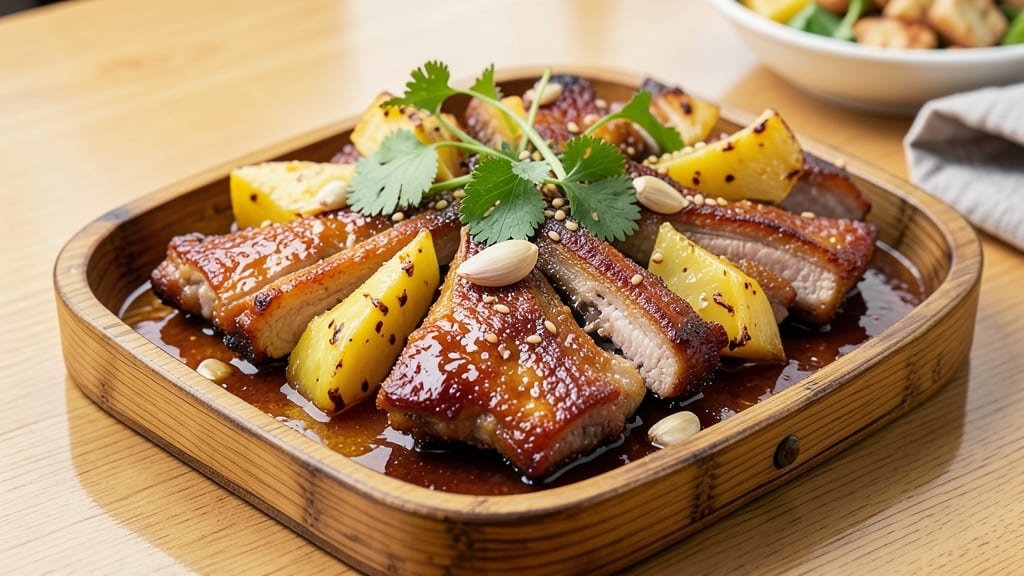
This Filipino pork ribs recipe with pineapple delivers the perfect sweet-savory balance that defines comfort food at its finest. 🌟 After perfecting it during a trip to Cebu, I've adapted the technique to work in any home kitchen—slow-braising transforms tough ribs into melt-in-your-mouth tenderness with just the right amount of caramelized sweetness from the pineapple glaze.
The secret lies in marinating the ribs overnight with a blend of soy sauce, vinegar, and spices that penetrate deeply, while the pineapple adds natural sweetness and tenderizing enzymes.
This isn't your average BBQ—it's a dish that carries the bold flavors of Filipino cuisine, where umami meets tropical fruit in every bite.
What you'll end up with is restaurant-quality ribs that are perfectly sticky from the glaze yet still juicy inside, served with crisp edges that hold up to every bite.
The aroma alone will have everyone gathering around the table, and the sauce—rich with garlic, ginger, and a touch of calamansi—elevates simple sides like garlic rice into something extraordinary.
This recipe works equally well for weeknight dinners or special occasions, and the leftovers reheat beautifully. Pair it with atchara for tangy contrast or steamed vegetables to round out the meal. Let's get cooking!
Ingredients for pork ribs with pineapple filipino
Sweet-savory Filipino flavors start with these 14 essential ingredients for melt-in-your-mouth ribs.
| Ingredient | Amount | Notes |
|---|---|---|
| Pork Ribs 🍖 | 3 lb | Baby back or spare ribs, trimmed |
| Fresh Pineapple 🍍 | 1 cup | Chopped, fresh or canned (no syrup) |
| Soy Sauce 🥄 | ½ cup | Filipino-style preferred |
| White Vinegar 🍶 | ¼ cup | For tenderizing |
| Brown Sugar 🍚 | ½ cup | Light or dark |
| Garlic Cloves 🧄 | 6 cloves | Minced, fresh preferred |
| Fresh Ginger 🌿 | 2 tbsp | Grated, peeled |
| Black Peppercorns 🌶️ | 1 tsp | Freshly cracked |
| Ground White Pepper 🌶️ | ½ tsp | For subtle heat |
| Calamansi Juice 🍋 | 2 tbsp | Or lime juice substitute |
| Olive Oil 🫒 | 2 tbsp | For searing |
| Water 💧 | 1 cup | For braising liquid |
| Bay Leaves 🌿 | 2 whole | For depth of flavor |
| Green Onions 🧅 | 3 whole | Sliced, for garnish |
The ribs are the star—baby back or spare ribs work equally well, but Costco or local butcher shops often have the best quality cuts. Look for ribs with good marbling and bright color. If using spare ribs, trim excess fat to avoid greasiness during braising. Filipino soy sauce (like Silver Swan) adds authentic depth, but regular soy sauce works in a pinch. Fresh pineapple is ideal for that bright sweetness, but canned pineapple chunks in water (no syrup) save time—just drain well. The calamansi juice is tricky to find outside Filipino markets, so lime juice with a pinch of salt mimics the tangy brightness perfectly.
No calamansi? Lime juice plus a dash of salt does the trick. Fresh ginger and garlic are non-negotiable—they build the aromatic base, but if you're short on time, jarred minced garlic and ginger paste work. The brown sugar caramelizes beautifully, but coconut sugar adds a subtle molasses note that pairs wonderfully with the pineapple. For extra richness, swap half the water for coconut milk—it deepens the sauce without overpowering. The white pepper gives a subtle heat without the color of black pepper, which keeps the glaze looking clean and appetizing. If you can't find it, black pepper plus a pinch of salt works, but the flavor won't be identical.
These ribs taste even better the next day—plan ahead and make extra. Store leftovers in an airtight container in the fridge for up to 4 days, or freeze for 3 months (portion into single servings for easy reheating). The sauce thickens as it cools, so add a splash of water when reheating if it seems too stiff. Garnish with green onions right before serving—they add a fresh pop of color and brightness that cuts through the richness. Pair with steamed jasmine rice or garlic rice to soak up every last bit of that sticky-sweet glaze.
Why You'll Love This Recipe
- One-Pan Magic: I swear by this recipe because it’s literally one pan, one sauce, and done. No fancy gadgets, no stress—just ribs, pineapple chunks, and that sticky-sweet soy-vinegar glaze caramelizing together while you sip your coffee.
- Sweet-Savory Balance: Between us, the pineapple’s tang cuts through the richness of the ribs perfectly—like a tropical hug for your taste buds. That brown sugar and vinegar combo? It’s the secret weapon that makes every bite addictive without tasting "fancy."
- Budget Meal for Crowds: A whole rack of ribs and a pineapple feed four for less than takeout, and the leftovers stretch for days. Honestly, it’s the kind of dish where you’ll secretly make extra just to freeze for later—because who doesn’t love a meal that saves money and time?
Step-by-step instructions for pork ribs with pineapple Filipino-style
Here's how to transform tough ribs into fall-off-the-bone tender sweet-savory perfection.
🔥 Step 1: Sear the Ribs for Maximum Flavor
Pat the 3 lb pork ribs completely dry with paper towels—this ensures maximum crispiness. Heat a heavy pot or Dutch oven over medium-high heat until hot, then add 2 tbsp olive oil. Once shimmering, carefully place the ribs fat-side down in a single layer. Let them sear undisturbed for 5-6 minutes until deeply golden brown.
Flip the ribs and sear the other side for another 5-6 minutes. Here's the thing—don't rush this step. The deep caramelization from the sear builds layers of flavor that the braising liquid will later absorb. Once both sides are beautifully browned, remove the ribs and set them aside on a plate.
👨🍳 Step 2: Build the Sweet-Savory Braising Base
In the same pot, reduce the heat to medium and add 6 cloves minced garlic cloves and 2 tbsp grated fresh ginger. Sauté for 1 minute until fragrant—you'll smell that aromatic punch of garlic and ginger. Be careful not to burn them; they cook fast.
Add 0.5 cup soy sauce, 0.25 cup white vinegar, 0.5 cup brown sugar, 1 tsp freshly cracked black peppercorns, and 0.5 tsp ground white pepper. Stir to combine, letting the mixture bubble gently for 2 minutes until the sugar starts to dissolve. This creates the flavor foundation that will penetrate the ribs during braising.
🥘 Step 3: Braise with Pineapple for Tender Perfection
Return the seared ribs to the pot, fat-side up. Add 1 cup chopped fresh pineapple, 1 cup water, and 2 whole bay leaves. Bring everything to a gentle simmer, then immediately reduce heat to low. Here's where the magic happens: cover the pot and let it cook for 2 hours—this slow braising time transforms tough meat into melt-in-your-mouth tenderness.
Every 30 minutes, spoon some of the braising liquid over the ribs to keep them moist. The pineapple won't just add sweetness—it'll break down collagen in the meat, making it fork-tender. You'll know it's ready when a fork slides in easily and the ribs pull apart with minimal resistance.
🍳 Step 4: Finish with Tangy Brightness
Remove the ribs from the pot and set them aside. Strain the braising liquid through a fine-mesh sieve into a clean saucepan, discarding the bay leaves. Return it to medium heat and add 2 tbsp calamansi juice. Simmer for 3-4 minutes until slightly thickened—this tangy finish balances all the sweetness.
Return the ribs to the saucepan just to coat them in the finished sauce. Taste and adjust seasoning if needed—you might want to add a splash more soy sauce for saltiness or a touch more sugar for sweetness. The sauce should be glossy and cling to the ribs beautifully.
🍽️ Step 5: Serve with Fresh Garnishes
Transfer the ribs to a serving platter and garnish with 3 whole sliced green onions. The contrast of fresh green onions against the rich, caramelized ribs adds a pop of color and freshness. Serve immediately with steamed rice to soak up all that delicious braising sauce.
Each bite should deliver perfect harmony: tender meat, sweet pineapple, salty soy, and the bright tang of calamansi. The ribs should be so tender they practically fall apart at the touch, with a glossy sauce clinging to every bite. This is comfort food at its finest!
Pro Tips For Making Pork Ribs With Pineapple Filipino
- CHAR THE RIB BONE: Start with a screaming-hot pan—no simmering, no "medium heat." You want those ribs to sear fast (3-4 minutes per side) before adding liquid, or you’ll end up with mushy edges instead of caramelized crust. I used to rush this, and the sauce just pooled instead of sticking.
- CUT PINEAPPLE SMALL: Chunks bigger than a golf ball won’t soften evenly and turn to mush while the ribs cook. Dice that pineapple into ½-inch pieces—small enough to melt into the sauce but big enough to keep texture. (Yes, even if it looks like baby food at first.)
- DEGLAZE WITH VINEGAR FIRST: Skip pouring soy sauce directly into the pan—it’ll burn and make your sauce bitter. Splash in 2 tablespoons of white vinegar first, let it bubble for 30 seconds, then add the brown sugar and soy. This cuts through the fond (the browned bits) and keeps the sauce bright, not smoky.
- BASTE WITH THE SAUCE: Don’t just dump everything in and walk away. After the ribs simmer for 20 minutes, lift them out, spoon that sticky sauce over them, and let it caramelize another 5 minutes uncovered. The Maillard reaction here makes the difference between "good" and "wow." (I know, I know—it’s extra work, but trust me.)
Regional styles of pork ribs with pineapple filipino
Filipino Adobo Roots
This recipe traces back to the Filipino adobo tradition, where meat is braised in a tangy, savory sauce. The original adobo used vinegar and salt, but modern versions incorporate soy sauce and sweet elements like pineapple.
In Cebu, where I first tasted this dish, the ribs are often marinated in soy sauce and vinegar for hours before slow-cooking to achieve that signature tender texture. 🌶️
The key difference here is the addition of pineapple, which wasn't traditionally used in adobo but became popular in fusion dishes. The acidity of the vinegar tenderizes the meat, while the pineapple adds natural sweetness and enzymes that break down collagen.
This balance of flavors is what makes this dish so addictive—it's both comforting and vibrant.
Visayan Style from Cebu
In Cebu, this dish is often prepared with spare ribs instead of baby back ribs, as they're more affordable and widely available. The locals prefer a slightly thicker sauce, almost like a glaze, which they achieve by reducing the braising liquid longer.
I've adapted the technique to work with baby back ribs for easier home cooking, but if you can find spare ribs, they'll give you even more meat per bone. 🍖
The Cebuano version also includes chili flakes for a subtle heat, which I've included in the optional spice blend.
If you want to stay true to the original, add 1 teaspoon of finely chopped siling labuyo (Filipino bird's eye chili) to the braising liquid during the last 15 minutes of cooking. Trust me, it adds a nice kick without overpowering the sweet-savory balance.
Manila Street Food Twist
In Manila, you'll often find this dish served as a street food staple, where the ribs are grilled instead of braised. The technique is similar—marinate in soy sauce and vinegar—but the cooking method changes.
For a Manila-style version, grill the ribs after marinating, then baste them with a pineapple glaze made from pineapple juice, soy sauce, and a touch of honey. The result is a smoky, caramelized exterior with tender meat inside. 🔥
If you want to try this method at home, grill the ribs over medium heat for about 15-20 minutes, turning occasionally, and brush them with the glaze every 5 minutes.
The high heat caramelizes the sugars faster, giving you a more intense flavor profile. It's a great option if you're short on time or don't have a Dutch oven.
Bicol Region's Coconut Fusion
The Bicol region of the Philippines is famous for its coconut-based dishes, and this recipe can easily incorporate that flavor. Simply replace half of the water in the braising liquid with coconut milk—this adds a rich, creamy depth that pairs beautifully with the pineapple.
The Bicolano version often includes shrimp paste (bagoong), but if you can't find it, 1 teaspoon of fish sauce will give you a similar umami boost. 🥥
For an extra layer of flavor, add 1 cup of diced coconut to the braising liquid along with the pineapple. The coconut will soften and infuse the sauce with its creamy, slightly sweet notes.
This version is especially popular during festivals and family gatherings, where the dish is served with coconut rice for a cohesive meal.
Nutrition facts
Frequently asked questions
Can I use frozen pork ribs instead of fresh?
Yes, but thaw them completely first in the refrigerator for 24 hours. Never use frozen ribs straight from the freezer—they won't cook evenly and may stay tough. Pat them completely dry after thawing to ensure a good sear. For best results, choose high-quality frozen ribs with minimal ice crystals.
What's the best substitute for calamansi juice?
Use a mix of lime juice (2 tbsp) + pinch of salt for the bright tang. For extra authenticity, add 1 tsp sugar to mimic calamansi's natural sweetness. If you can't find either, a splash of lemon juice works too, though it's slightly less tart. The key is balancing the sweetness of the pineapple with acidity.
How do I make these ribs spicier?
Add 1 tbsp chopped siling labuyo (Filipino chili) to the braising liquid during the last 15 minutes of cooking. For milder heat, use 1 tsp cayenne pepper mixed with the soy sauce in the marinade. Always taste as you go—Filipino cuisine balances heat with sweetness, so adjust gradually.
Can I prepare this dish in a slow cooker?
Sear the ribs first (critical for flavor), then transfer everything to the slow cooker. Cook on low for 6-7 hours or high for 3-4 hours. The ribs will be even more tender, and the sauce will thicken naturally. Just add 1-2 tbsp water if needed to prevent burning.
Why are my ribs still tough after cooking?
This usually happens from one of three issues: not enough braising time (they need 2 hours minimum), not enough acid (vinegar breaks down collagen), or not enough moisture. Double-check your liquid ratio and ensure the ribs are fully submerged. For extra tenderness, add 1 tsp baking soda to the braising liquid—it helps break down proteins.