
Main Courses
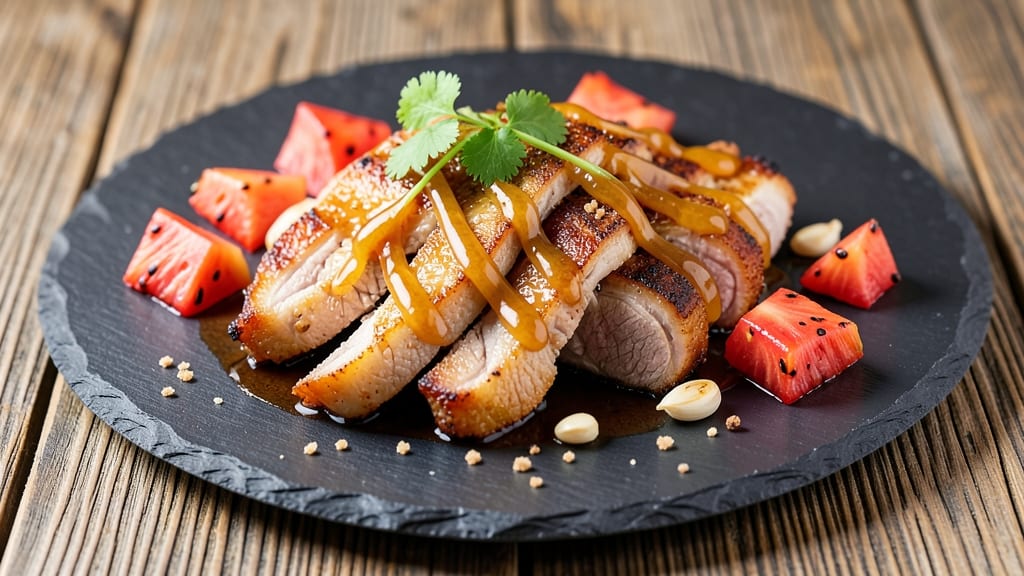
This pork tocino recipe with pineapple juice delivers the perfect balance of crispy edges and caramelized sweetness that makes every bite irresistible. ✨ Inspired by Filipino flavors but adapted for modern tastes, the pineapple juice marinade transforms ordinary pork into something extraordinary—tender, sticky, and packed with tropical brightness.
I first discovered this technique while exploring Southeast Asian cuisine, and it quickly became a family favorite for breakfast or weekend brunches.
The secret to achieving that signature crispy texture lies in the cooking method: pan-frying the pork until golden brown, then finishing in the oven for even caramelization. The pineapple juice marinade not only tenderizes the meat but also adds a natural sweetness that pairs beautifully with the savory pork.
This dish is versatile enough for weeknight dinners but impressive enough for gatherings—just like the meals I grew up sharing with Mrs. Henderson.
What you'll end up with is a dish that's rich, slightly sweet, and perfectly balanced—each slice offering a satisfying crunch followed by tender, flavorful meat. The pineapple juice marinade infuses the pork with a subtle tang, while the caramelized edges create a sticky, addictive bite.
It's the kind of recipe that turns a simple breakfast into a memorable meal, and one that my daughter Lily now requests every weekend.
Serve it with steamed rice or a fresh salad to balance the richness, or enjoy it as-is with a cup of strong coffee. The crispy edges hold up well, making this dish perfect for meal prepping or sharing with guests. Let's get cooking!
Ingredients for pork tocino recipe pineapple juice
Pineapple juice, soy sauce, and pork belly—these three ingredients create a tropical twist on classic tocino.
| Ingredient | Amount | Notes |
|---|---|---|
| Pork Belly Slices 🥓 | 1 ½ lb | Thinly sliced, about 1/4-inch thick |
| Fresh Pineapple Juice 🍍 | 1 cup | From 1 medium pineapple, freshly squeezed |
| Soy Sauce 🥄 | ½ cup | Light or all-purpose variety |
| Brown Sugar 🍚 | ½ cup | Packed, for caramelization |
| Garlic Cloves 🧄 | 6 cloves | Minced, for aromatic depth |
| Olive Oil 🫒 | 2 tbsp | Extra-virgin for frying |
| Black Peppercorns 🌶️ | 1 tsp | Freshly cracked for heat |
| Ground White Pepper 🌶️ | ½ tsp | For subtle seasoning |
| Salt 🧂 | 1 tsp | Diamond Crystal preferred |
| Vegetable Oil 🫒 | ½ cup | For pan-frying, high smoke point |
| Fresh Cilantro Leaves 🌿 | ¼ cup | Chopped, for garnish (optional) |
The pork belly is non-negotiable here—ask your butcher to slice it paper-thin for that signature crispy texture. If you can't find pre-sliced, grab a whole piece and use a sharp knife to slice against the grain. Trader Joe's often carries pre-sliced pork belly, and Costco sells it in bulk for better value. Fresh pineapple juice is key: Dole or Del Monte cans work in a pinch, but fresh is brighter and more aromatic. The brown sugar needs to be packed—don't scoop it loosely, or you'll end up with less caramelization. For the garlic, peel and mince it fresh—jarred minced garlic lacks the punch.
No pineapple juice? Substitute with 3/4 cup pineapple juice from concentrate, but add 1/4 cup water to mimic freshness. Light soy sauce out of stock? Dark soy sauce works too, though it'll be richer and slightly bitter. Running low on brown sugar? White sugar plus 1/2 tsp molasses gets close. The olive oil for frying can be swapped for avocado oil if you prefer a neutral flavor. For extra crispiness, double the vegetable oil and fry in batches. The cilantro is optional but adds a bright finish—skip it if you're serving kids who might not love the flavor.
Pork belly keeps 3-4 days in the fridge once sliced, but it's best used within 2 days for maximum crispiness. The marinade (pineapple juice, soy sauce, sugar, garlic) can be prepped 1 day ahead and stored in the fridge. For meal prep, fry the pork in batches, cool completely, then store in an airtight container with parchment paper between layers to maintain crispness. Reheat in a 350°F oven for 5-7 minutes—microwaving makes it soggy. Garnish with cilantro just before serving to keep it vibrant.
Why You'll Love This Recipe
- I’ll be real: pork belly can feel fancy, but this recipe makes it feel like a splurge without the guilt. The pineapple juice replaces pricier marinades, and brown sugar stretches the flavor further than store-bought sauces. Plus, a single head of garlic and a bottle of soy sauce last for months of these batches. It’s my secret weapon for feeding a crowd without breaking the bank.
- Fewer Ingredients, Bigger Payoff: Honestly, I swear by this recipe because it nails the perfect balance with just five core things—no confusing spice blends or hard-to-find items. The pineapple juice does all the work: tenderizing the pork while adding that bright, tangy backbone that cuts through the richness of the belly. Between us, I’ve tried fancier versions with vinegar or wine, but this? It’s the one I keep coming back to.
- Crispy-Caramel Magic: That crispy edge on the pork? Oh, it’s everything. The soy and brown sugar caramelize into a sticky glaze while the garlic cloves sizzle—just enough to infuse the meat without overpowering. The pineapple juice keeps it juicy inside, so you get that satisfying contrast: crunchy outside, melt-in-your-mouth center. (Yes, even on a Tuesday night.)
- Leftovers That Still Shine: Here’s what sold me—this dish improves the second day. Reheat the slices in a pan with a splash of pineapple juice, and they’ll crisp up again like they’re fresh. I make a double batch on Sundays because it’s my go-to for quick lunches, potlucks, or even stuffed into rice bowls when I’m lazy. No sad, dry reheats here.
Step-by-step instructions for pork tocino with pineapple juice
Here's how to transform simple pork belly into restaurant-quality tocino with caramelized edges.
🔥 Step 1: Marinate the Pork for Maximum Flavor
In a large bowl, combine the 1 cup fresh pineapple juice, 0.5 cup soy sauce, 0.5 cup packed brown sugar, 6 minced garlic cloves, 1 tsp cracked black peppercorns, 0.5 tsp ground white pepper, and 1 tsp salt. Whisk until the brown sugar dissolves completely—this ensures even distribution of flavors.
Add the 1.5 lb pork belly slices to the marinade, turning to coat completely. Cover and refrigerate for at least 4 hours (overnight is even better). The acidity from the pineapple juice tenderizes the meat while the sugar begins caramelizing, creating that signature sweet-savory profile. Don't skip this step—it's what transforms ordinary pork into extraordinary tocino.
🍳 Step 2: Pan-Fry Until Golden and Crispy
Heat 0.5 cup vegetable oil in a large skillet over medium-high heat until shimmering but not smoking. Arrange the marinated pork slices in a single layer, leaving space between each piece for even browning. I like to press down gently on the fillets during the first minute—this prevents curling and ensures even contact with the pan.
Cook for 3-4 minutes per side until the edges turn deep golden brown and the pork releases easily from the pan. The oil should sizzle steadily—if it's too aggressive, reduce the heat slightly to prevent burning. Here's the thing—you want that crispy exterior without cooking the pork through completely. It'll finish cooking in the oven, so don't worry if the centers still look slightly pink.
🍳 Step 3: Caramelize for Maximum Sweetness
Transfer the crispy pork to a wire rack set over a baking sheet. This allows air to circulate underneath, preventing sogginess. Return the skillet to the stove and reduce heat to medium-low. Add 2 tbsp olive oil and let it warm for 30 seconds before adding the pork slices back to the pan.
Cook for another 2-3 minutes until the bottoms develop a beautiful caramelized crust from the residual marinade. Watch carefully—this is where the magic happens. The sugar in the marinade will crystallize into a glossy, amber coating. If the pan starts smoking, remove it from heat for a moment to let it settle. The result should be pork with crisp edges and caramelized spots that practically melt in your mouth.
🔪 Step 4: Rest and Garnish for Presentation
Transfer the tocino to a cutting board and let it rest for 5 minutes. This resting period allows the juices to redistribute, ensuring each bite is moist and flavorful. While it rests, chop the 0.25 cup fresh cilantro leaves for garnish—this adds a bright contrast to the rich, caramelized pork.
Slice the tocino diagonally into ½-inch thick pieces. The crispy edges should crackle with each bite, revealing juicy pink pork underneath. Garnish with the chopped cilantro just before serving. The combination of crispy, caramelized pork with the fresh herb creates a perfect balance of textures and flavors that'll impress anyone who tries it.
Pro Tips For Making Pork Tocino Recipe Pineapple Juice
- CRISP FIRST, SAUCE LATER: Start with a screaming-hot pan—no, really, get it so hot the pork belly sizzles immediately when it hits. I used to rush this and end up with greasy, undercooked slices. Once the edges are golden and the fat renders fast (about 2-3 minutes per side), pull them out and let them rest while you build the sauce. That crisp sets the whole dish apart.
- JUICE THE PINEAPPLE RIGHT: Skip the blender if you want real flavor—cut fresh pineapple in half, scoop out the flesh, and crush it with your hands or a potato masher. The texture stays chunky and the juice is brighter. I tried bottled pineapple juice once, and the dish tasted like it was missing something. If you’re in a pinch, at least use 100% pineapple juice with no additives.
- DON’T BOIL THE GARLIC: When you add the minced garlic to the pan, keep the heat medium-low. Garlic burns faster than you think, and once it turns bitter, there’s no fixing it. I learned this after one disastrous batch where the sauce tasted like a chemistry experiment. Sauté it just until fragrant—about 30 seconds—then pour in the pineapple juice to deglaze.
- SWEETEN THE SAUCE GRADUALLY: Add the brown sugar in two batches: half when you first combine the pineapple juice and soy sauce, and the rest after the pork has simmered for 5 minutes. This lets the flavors meld without burning or turning the sauce into syrup. I used to dump it all in at once, and the result was cloyingly sweet instead of perfectly balanced.
Pro cooking tips for great pork tocino recipe pineapple juice
Marinade Mastery
The pineapple juice marinade is where all the magic starts—it's not just about flavor, it's about texture transformation. I've found that using fresh pineapple juice (not canned) makes a world of difference—the natural enzymes break down the pork fibers while the acidity tenderizes it perfectly.
For extra depth, I like to add 1 tbsp lime juice to the marinade, which brightens the flavors and balances the sweetness of the brown sugar.
Let the pork marinate for at least 4 hours, but if you can swing it, overnight is ideal—this gives the acid enough time to work its magic without over-tenderizing.
Here's a pro tip: If you're short on time, you can microwave the marinade for 30 seconds to help dissolve the brown sugar faster, then let it cool before adding the pork.
This trick cuts your marinating time in half without sacrificing flavor. And trust me, the difference between a 4-hour and overnight marinade is night and day—your guests will notice! 💫
Pan-Frying Perfection
The key to getting that signature crispy texture lies in your pan-frying technique. I swear by using a heavy-bottomed cast iron skillet—it retains heat better and gives you more control over the cooking process.
Heat your oil to 350°F (use a thermometer!) before adding the pork. If you don't have one, look for the smoke point on your oil bottle—vegetable oil should be around 400-450°F when properly heated.
When the pork hits the pan, resist the urge to move it immediately—let it sear for 1-2 minutes to develop that golden crust. I use tongs to gently press down on the pork slices during the first minute of cooking, which helps prevent curling and ensures even browning.
The goal is to get those edges deep golden brown while keeping the centers slightly pink—they'll finish cooking in the oven. If your pork starts curling, just flip it more frequently to expose all sides to the heat. 🔥
Caramelization Secrets
This is where the real flavor magic happens—the caramelization step. After your initial pan-fry, transfer the pork to a wire rack over a baking sheet. This might seem counterintuitive, but it's crucial for keeping the pork crispy. The rack allows air to circulate underneath, preventing any sogginess from steam.
Now for the fun part: return the pork to the pan with 2 tbsp fresh olive oil and cook on medium-low heat for just 2-3 minutes. This second cook is all about developing that beautiful caramelized crust from the residual marinade sugars.
Watch closely—you want to see those amber spots forming. If the pan starts smoking, immediately reduce the heat or remove it from the burner for a moment. The result should be pork with crispy edges and caramelized spots that practically melt in your mouth.
This step is what takes your tocino from good to restaurant-quality! 💛
Resting and Slicing
Never skip the resting step—this is where the juices redistribute throughout the meat, ensuring each bite is moist and flavorful. Let your tocino rest for at least 5 minutes before slicing.
I know it's tempting to dig in immediately, but trust me, this small step makes a huge difference in the final texture.
When you're ready to serve, slice the tocino diagonally into ½-inch thick pieces. The crispy edges should crackle with each bite, revealing that juicy pink pork underneath. For an extra touch, garnish with fresh cilantro just before serving.
The bright herbaceous notes cut through the richness of the caramelized pork beautifully. Pro tip: If you're serving this for a crowd, slice it right before serving to maintain that perfect crispy texture. 🌟
Nutrition facts
Frequently asked questions
Can I use canned pineapple juice instead of fresh?
Yes, but fresh pineapple juice makes a noticeable difference! Canned juice works in a pinch, but fresh juice has more natural enzymes that tenderize the pork better and add brighter flavor. For best results, use a high-quality canned juice (like Dole or Del Monte) and add 1/4 cup water to mimic freshness. The texture will be slightly less tender, but still delicious.
How do I prevent the tocino from curling while cooking?
Press down gently on the pork slices with tongs during the first 1-2 minutes of cooking to flatten them. Use a heavy skillet (like cast iron) and avoid overcrowding—leave space between slices. If it starts curling, flip it more frequently to expose all sides evenly. The secret is patience: let it develop a good crust before moving it.
Can I make this recipe with chicken or another protein?
This recipe is specifically designed for pork belly to achieve that signature crispy texture, but you can adapt it! For chicken thighs, use 1 lb bone-in thighs, marinate for 2 hours (not overnight), and reduce oil by 1/4 cup. The result will be juicier but less crispy. For beef, try flank steak sliced thinly—it works beautifully with the same marinade.
How long does this dish keep in the fridge?
The cooked tocino stays fresh for 3-4 days when stored properly. Keep it in an airtight container with parchment paper between layers to maintain crispness. Reheat in a 350°F oven for 5-7 minutes—microwaving makes it soggy. The pineapple juice marinade can be prepped 1 day ahead and stored in the fridge for up to 2 days.
What's the best way to serve this with rice?
For a complete Filipino-style meal, serve with steamed jasmine rice and a side of garlic fried rice. Add a splash of the leftover pineapple juice to the rice while cooking for extra flavor. For a modern twist, pair with a crisp mango salad or pickled vegetables to balance the richness. The crispy tocino pairs beautifully with both sweet and tangy accompaniments!