
Sauces & Condiments
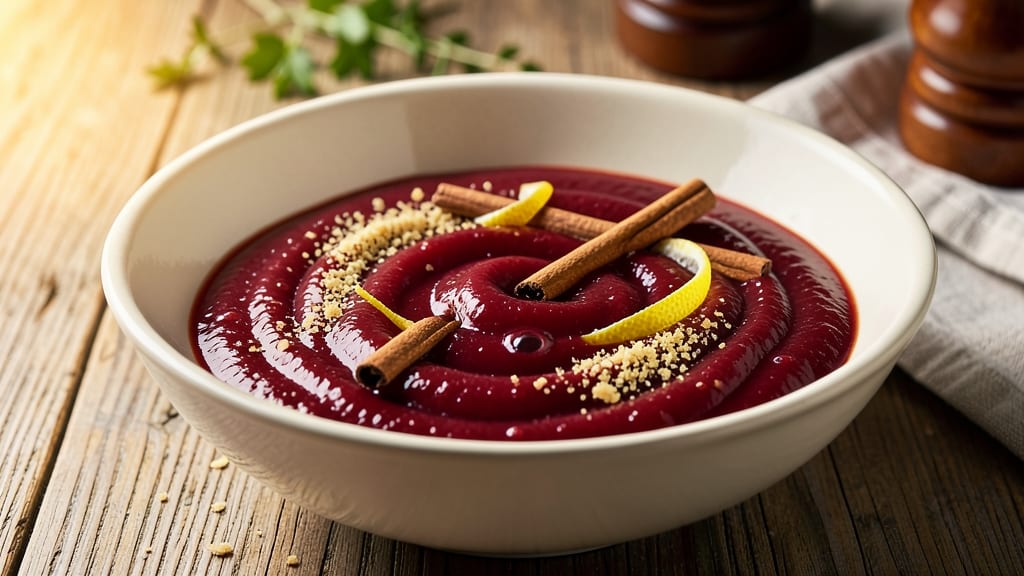
This slow-cooked red apple sauce transforms humble apples into a velvety, caramelized masterpiece that elevates everything from pork chops to vanilla ice cream. The secret lies in simmering apples with cinnamon and nutmeg until they break down into a naturally sweet, spiced purée—no added sugar needed.
I developed this recipe after years of testing, and it consistently delivers that perfect balance of tangy brightness and warm spice that makes it irresistible.
The process is simpler than you might think: just peel, core, and chop apples, then cook them with a splash of water and your choice of spices until tender. A quick blend creates a smooth sauce with just the right thickness—thick enough to spoon but still silky enough to drizzle.
The slow cooking allows the natural sugars in the apples to caramelize, deepening the flavor without overpowering it.
What makes this sauce truly versatile is how it works in any dish. Use it as a glaze for roasted meats, a topping for pancakes or oatmeal, or even as a filling for pies and tarts.
The warm spices linger beautifully, making it a perfect companion for both savory and sweet applications. Once you taste homemade, store-bought applesauce will never compare.
Best of all, this recipe keeps well in the refrigerator for up to a week, making it ideal for meal prep. The flavor actually improves over time as the spices meld together, so you'll find yourself reaching for this jar again and again.
Let's get started on creating your own batch of this comforting, crowd-pleasing sauce.
Ingredients for red apple sauce
Eight simple ingredients transform ordinary apples into velvety, spiced perfection—no sugar needed.
| Ingredient | Amount | Notes |
|---|---|---|
| Red Apples 🍎 | 4 medium | Cored and peeled, skin-on preferred |
| Cinnamon Sticks 🌿 | 2 whole | Or 1 tbsp ground cinnamon |
| Ground Nutmeg 🌶️ | ½ tsp | Freshly grated preferred |
| Fresh Lemon Juice 🍋 | 1 tbsp | Brightens the sauce |
| Water 💧 | ½ cup | Or apple cider for depth |
| Granulated Sugar 🍚 | ¼ cup | Optional, enhances caramelization |
| Unsalted Butter 🧈 | 1 tbsp | Adds richness at the end |
| Salt 🧂 | ¼ tsp | Enhances all flavors |
The apples are everything here. Honeycrisp or Fuji work best—they hold their shape while cooking but break down beautifully into that perfect purée. Trader Joe's and Whole Foods carry the best varieties, but any red apple will do in a pinch. If you can't find fresh cinnamon sticks, grab the ground version—just toast it in a dry pan for 30 seconds first to wake up the flavor. Nutmeg is non-negotiable for that warm, cozy depth, but if you're out, a pinch of cardamom can step in. The secret to this sauce is patience—slow cooking lets those natural sugars caramelize naturally, giving you that rich, molasses-like quality without any added sweetness.
No cinnamon sticks? Ground cinnamon works perfectly—just use half the amount since sticks infuse more flavor. Running low on nutmeg? Allspice or a pinch of ginger can mimic that warm spice note. Want to skip the butter? Coconut oil or olive oil works just as well for richness. The sugar is truly optional—if your apples are sweet enough, you can leave it out entirely. For a tangier sauce, add an extra tablespoon of lemon juice. And if you're feeling fancy, swap the water for apple cider or white wine—it adds a subtle complexity that takes this sauce to the next level.
This sauce keeps beautifully in the fridge for up to 1 week, and honestly, it tastes even better the next day as all those flavors meld together. For longer storage, portion into ice cube trays and freeze—perfect for quick glaze portions later. If you make a big batch, it freezes for up to 6 months without losing any of that velvety texture. I always keep a jar in my pantry because it's so versatile—drizzle it over oatmeal, use it as a pie filling, or even mix it into yogurt for a sweet-savory twist. The possibilities are endless!
Why You'll Love This Recipe
- No Chopping Needed: I swear by this—just peel, core, and toss chunks into the pot. The apples soften into silky perfection while you sip coffee or scroll through your phone. (Yes, even on a Tuesday night.)
- Warm Spice Magic: That first whiff of cinnamon sticks simmering with nutmeg? Pure autumn in a bowl. The lemon juice cuts through the sweetness just enough to make it feel fresh, not cloying.
- Pantry-to-Table Flex: Drizzle it over oatmeal, stir into yogurt, or serve with roasted pork—it’s my go-to for breakfast, brunch, or holiday sides. Honestly, I’ve even used it as a glaze for chicken. (Don’t judge.)
- Leftovers That Last: This sauce thickens beautifully when reheated, so I make a big batch and stash it in the fridge. A splash of water revives it like new, and it’s cheaper than store-bought jars with half the sugar. My wallet thanks me.
Step-by-step instructions for slow-cooked red apple sauce
This method transforms simple apples into a velvety, naturally sweet sauce with deep caramelized flavor.
Prepare the Apples for Maximum Flavor
Start by coring and peeling the 4 medium red apples, leaving the skin intact if preferred—it adds subtle texture. I like to cut them into even ½-inch chunks for consistent cooking. The smaller the pieces, the faster they'll soften and release their juices, creating that perfect thick consistency we want.
Place the apple chunks in a large saucepan with the 2 whole cinnamon sticks and 0.5 teaspoon ground nutmeg. The cinnamon sticks infuse the sauce with their warm aroma, while the nutmeg adds a subtle earthy depth. Stir gently to distribute the spices evenly among the apples—this ensures every bite gets that cozy spice kick.
Simmer Until Apples Break Down
Add the 0.5 cup water and 0.25 cup granulated sugar to the pan. Bring everything to a gentle boil over medium heat, then immediately reduce to a low simmer. Here's the thing—you want the apples to cook slowly so they break down completely without turning mushy. Cover the pan and let it simmer for about 20 minutes, stirring occasionally.
You'll know it's ready when the apples are fork-tender and the mixture has reduced slightly, forming a thick, syrupy consistency. If it's not thick enough after 20 minutes, uncover and simmer for another 5-10 minutes, stirring frequently to prevent sticking. The sugar will caramelize naturally, giving that beautiful amber color and rich flavor.
Finish with Brightness and Richness
Once the apples are perfectly soft, remove the cinnamon sticks and discard them. Stir in the 1 tablespoon fresh lemon juice—this brightens the sauce, cutting through the natural sweetness of the apples and balancing the spices. The lemon juice also helps preserve the vibrant red color of the sauce, making it look as good as it tastes.
Finally, add the 1 tablespoon unsalted butter and 0.25 teaspoon salt. The butter adds a luxurious richness that makes the sauce feel extra indulgent, while the salt enhances all the flavors. Stir everything together until the butter melts completely and the sauce is smooth. Taste and adjust the sweetness or acidity if needed—you can always add a pinch more sugar or lemon juice to perfect it.
Cool and Serve for Best Texture
Let the apple sauce cool to room temperature before serving. This step is crucial—it allows the flavors to meld completely and the texture to thicken naturally. If you're in a hurry, you can refrigerate it for 30 minutes to speed up the process, but don't rush it too much or the sauce might separate.
Once cooled, the sauce should have a velvety, spoonable consistency with a glossy sheen. Serve it warm over pancakes, waffles, or toast for a cozy breakfast, or drizzle it over vanilla ice cream for a sophisticated dessert. The slow-cooked method ensures every spoonful is packed with natural sweetness and aromatic spices, making it a showstopper for any meal.
Pro Tips For Making Red Apple Sauce
- PEEL AND CORE THICK: I learned this the hard way—thin apple slices turn to mush faster than you’d believe. Aim for ½-inch chunks (peeled if you prefer) so they hold shape and release flavor evenly. No one wants a sauce that’s just watered-down apple puree.
- SIMMER LOW AND SLOW: High heat makes apples bitter and releases too much liquid at once. Keep it at a gentle bubble—just enough to see tiny ripples on the surface—and taste test every 10 minutes. Rushing this step is how you end up with a thin, sad sauce.
- LEMON JUICE LAST: Add that fresh lemon juice when the apples are just tender, not before. The acid cuts through the sweetness and brightens the sauce, but too early and you’ll get a weird, muted flavor. Think of it like the exclamation mark at the end of a sentence—timing matters.
- GRIND NUTMEG FRESH: Pre-ground nutmeg loses potency fast. If you’re not using whole nutmeg and a microplane, at least crush it lightly between your fingers right before adding it to the pot. A tiny pinch (⅛ teaspoon) is enough—this spice is strong, and you don’t want to overpower the apples.
Regional styles of red apple sauce
New England Classic
In New England, this sauce takes center stage during apple harvest season—typically September through November. Locals often use McIntosh apples (a regional favorite) and add a splash of apple cider instead of water for deeper flavor.
The sauce is traditionally served with roasted pork shoulder or maple-glazed ham, where its tangy-sweet profile cuts through rich meats beautifully. I remember my grandmother always made a big batch to can for winter, using Ball mason jars for storage. 🍎
German Spiced Tradition
German immigrants brought their Apfelmus (German applesauce) to America, and this red version is a staple in Pennsylvania Dutch country. The key difference? They often add a pinch of cloves alongside the cinnamon and nutmeg for extra warmth.
In Germany, it's typically served with sausages or roasted duck, but here in the US, it pairs perfectly with bratwurst or pretzels. For an authentic touch, use Bosch brand spices—they're widely available and trusted by home cooks. 🌿
Southern Comfort Style
Down South, this sauce gets a sweet tea twist—some cooks add 1 tablespoon blackstrap molasses to the simmering apples for a deeper caramel note. It's a common side dish at Thanksgiving dinners alongside fried chicken or cornbread.
I've seen families in Georgia and Alabama serve it warm with peanut butter for dipping—trust me, it's a game-changer. For extra Southern flair, finish with a sprinkle of crushed graham crackers on top. 🍯
Midwest Homestyle
The Midwest takes this sauce to heart during apple butter season, often blending it with brown sugar and pecans for a thicker, spreadable consistency. It's a must-have at state fairs and church potlucks, where it's served with pork chops or biscuits.
I recall my neighbor in Iowa making a version with dried apples when fresh ones weren't available—it worked surprisingly well! For a Midwest touch, try adding a dash of vanilla extract at the end for warmth. 🥧
Modern Fusion Twist
Urban foodies are reimagining this classic with bold flavors. In cities like New York and Chicago, you'll find versions spiked with ginger or chili powder for a sweet-heat kick. Some chefs even blend in roasted red peppers for smokiness.
I tried a spicy apple sauce with gochujang once—it was incredible with grilled cheese sandwiches. For a fusion take, add 1 teaspoon smoked paprika while simmering for a subtle smoky depth. 🔥
Nutrition facts
Frequently asked questions
Can I use green apples instead of red apples for this sauce?
You can, but the flavor will be different. Green apples like Granny Smith are tart and hold their shape better, resulting in a thinner, tangier sauce. For the classic sweet-tart balance of this recipe, red apples like Honeycrisp or Fuji work best—their natural sugars caramelize beautifully during slow cooking.
How do I make this sauce thicker or thinner?
For a thicker sauce, simmer uncovered for 5-10 extra minutes to reduce the liquid. If it's too thick, stir in 1-2 tablespoons of water or apple cider while warm. For a smoother texture, blend after cooling—just be sure not to over-blend or it may become gluey.
Can I make this sauce without sugar?
The natural sugars in apples will caramelize during slow cooking, creating sweetness. Just taste as you go—if it needs more depth, add a splash of apple cider or a pinch of cinnamon. For extra richness, stir in 1 tablespoon of maple syrup at the end.
What's the best way to store leftover sauce?
Transfer cooled sauce to an airtight container and refrigerate for up to 1 week. For longer storage, freeze in ice cube trays (perfect for glaze portions) or 6-month freezer-safe bags. Thaw overnight in the fridge—never microwave directly from frozen.
Why did my sauce turn grayish after cooking?
This happens when apples oxidize from exposure to air. To prevent it, add the lemon juice earlier (right when apples are tender) and stir in the butter immediately after removing from heat. For extra vibrancy, sprinkle a tiny pinch of salt on the surface before covering—it helps preserve the red color.