
Main Courses
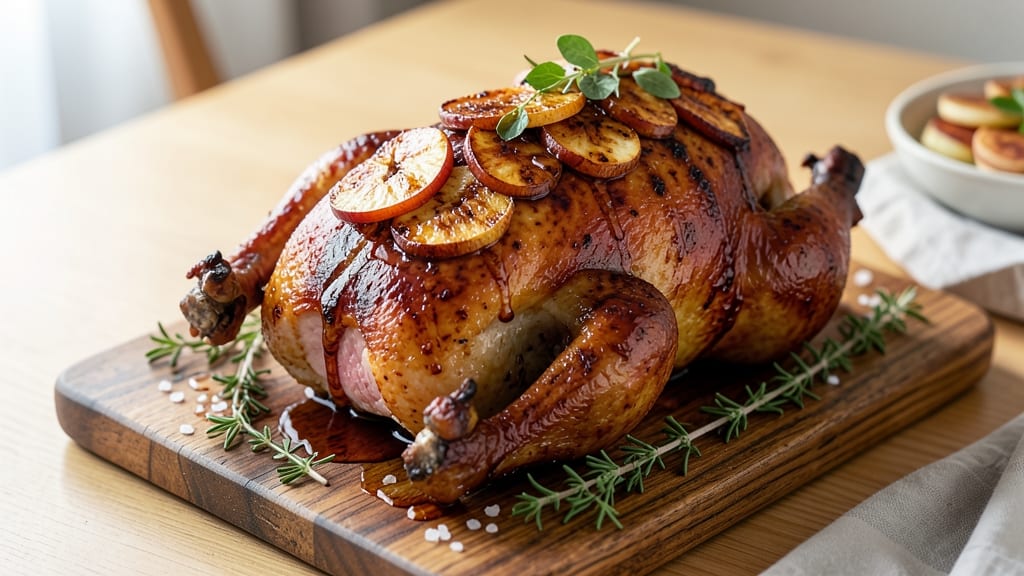
This chicken brine recipe with apple cider transforms dry roasts into juicy, golden perfection—the kind that makes your kitchen smell like autumn and your taste buds sing. 🍎 I first discovered this technique when I needed to salvage a slightly tough chicken breast for a dinner party, and it became my secret weapon ever since.
The apple cider doesn't just add flavor; it tenderizes the meat from the inside out, creating a texture that's dangerously hard to resist.
The beauty of this method lies in its simplicity: just a few ingredients—apple cider, water, salt, and sugar—soaking the chicken for 4 to 12 hours (overnight works best if you're planning ahead).
The brine works its magic by breaking down muscle fibers, ensuring your chicken stays moist and flavorful even after high-heat cooking. Whether you're roasting, grilling, or pan-searing, the result is a bird that's impossible to overcook, with a crispy skin and tender, juicy meat.
What makes this recipe truly special is how the apple cider elevates the flavor profile—adding a subtle sweetness and depth that pairs beautifully with herbs like thyme or rosemary. The brine also enhances the natural richness of the chicken, making it the star of any meal.
Serve it with roasted root vegetables or a crisp green salad to balance the richness, and you've got a dinner that feels like it took all day to prepare—without the fuss.
This is the kind of recipe that turns a simple weeknight dinner into something memorable. The best part? You can prep the brine in the morning and let it work its magic while you're at work, so you come home to a stress-free cooking experience.
Let's get started—your taste buds will thank you.
Ingredients for chicken brine recipe apple cider
Four pounds of chicken, apple cider, and a few pantry staples—this brine turns dry meat into juicy perfection.
| Ingredient | Amount | Notes |
|---|---|---|
| Whole Chicken (3-4 lbs) 🍗 | 3 ½ lb | Bone-in, skin-on preferred |
| Apple Cider (unfiltered) 🍎 | 2 cups | Local or store-bought variety |
| Water 💧 | 4 cups | Filtered preferred |
| Kosher Salt 🧂 | ½ cup | Diamond Crystal preferred |
| Granulated Sugar 🍚 | ¼ cup | White or brown sugar |
| Fresh Thyme 🌿 | ¼ cup | Stems removed, chopped |
| Fresh Rosemary 🌿 | ⅛ cup | Stems removed, chopped |
| Garlic Cloves 🧄 | 4 cloves | Smashed lightly |
| Black Peppercorns 🌶️ | 1 tbsp | Freshly cracked |
| Olive Oil 🫒 | 2 tbsp | Extra-virgin for crispiness |
The chicken is the star, so pick a bone-in, skin-on bird—it holds up better to the brine and gives you crispy skin. I always grab mine from Costco when I'm doing a big batch, but any grocery store's fresh chicken works. Look for evenly sized breasts and thighs—they cook more evenly. The apple cider? Unfiltered is best—it's got more flavor and sediment that adds texture. If you can't find unfiltered, regular cider still works, just skip the extra sediment at the bottom. For the herbs, fresh is ideal, but dried thyme and rosemary at half the amount will do in a pinch.
No apple cider? Substitute with equal parts apple juice and water, but you'll lose some depth. Running low on fresh herbs? Dried works at one-third the amount. The sugar can be swapped for honey if you prefer, but it won't dissolve as well. Want extra flavor? Add a 1-inch piece of ginger, sliced or a bay leaf. The olive oil is optional but helps crisp the skin—skip it if you're grilling instead of roasting. And if you're using a whole chicken, you can cut the brine ingredients in half since the cavity will hold the flavors.
This brine keeps in the fridge for up to 3 days if you want to make it ahead. The chicken soaks for 4-12 hours, so plan accordingly—overnight is ideal. After brining, pat the chicken dry and let it sit uncovered in the fridge for 30 minutes to dry the skin for crispiness. Store leftover brine in a sealed container for up to 1 week—it makes a great base for soups or sauces. The herbs and garlic can be prepped a day ahead and stored in the fridge.
Why You'll Love This Recipe
- No-Fuss Brine: I swear by this method—just dump the chicken in a bag with apple cider, water, and salt, then let the fridge do the work. No measuring cups, no fancy tools, just hands-off magic.
- Fall in Love with Flavor: That unfiltered apple cider? It turns dry chicken into something juicy and subtly sweet, like a hug from autumn. The sugar caramelizes just enough to give the skin a golden, crispy edge.
- Weeknight to Holiday Hero: Same recipe works for Tuesday dinner or Thanksgiving leftovers—just adjust the cooking time. My kids beg for it after soccer practice, but it’s also the star of my holiday table (no one suspects how easy it was).
- Leftovers That Don’t Suck: This chicken stays moist for days, so I make it once and feed the family for three meals. Shred it for tacos, slice it for sandwiches, or throw it in soup—it’s the ultimate lazy cook’s secret weapon.
Step-by-step instructions for juicy apple cider brined chicken
Here's how to transform a simple roast into a restaurant-worthy centerpiece.
👨🍳 Step 1: Prepare the Brine Mixture
In a large container or resealable plastic bag that fits the chicken, combine the 2 cups apple cider, 4 cups water, 0.5 cup kosher salt, 0.25 cup granulated sugar, 0.25 cup chopped fresh thyme, 0.125 cup chopped fresh rosemary, 4 smashed garlic cloves, and 1 tablespoon cracked black peppercorns. Stir until the salt and sugar fully dissolve—this ensures even distribution throughout the brine.
Here's the thing—apple cider adds depth of flavor while keeping the chicken moist. The sugar balances the salt and caramelizes slightly during the roasting process. Don't worry if it looks like too much liquid; the chicken will absorb just what it needs. Let the mixture cool to room temperature before proceeding.
🥘 Step 2: Submerge the Chicken in the Brine
Pat the 3.5 lb whole chicken completely dry with paper towels—this step is crucial for crispy skin later. Place the chicken in the container and pour the cooled brine over it, ensuring it's fully submerged. I like to weigh the chicken down with a plate or small pot if needed to keep it completely covered.
Cover the container and refrigerate for at least 12 hours (I prefer 18-24 hours for maximum flavor penetration). The cold temperature helps the chicken absorb the brine evenly. You'll know it's working when the liquid turns cloudy and the chicken feels noticeably heavier. Pro tip: If using a bag, squeeze out excess air before sealing to prevent leaks.
🔥 Step 3: Prep and Roast the Brined Chicken
Remove the chicken from the brine and pat it dry again—this time even more thoroughly. The extra drying step is what creates that perfect crispy skin. Preheat your oven to 425°F. Place the chicken breast-side up on a rack in a roasting pan and rub it with 2 tablespoons olive oil to help the skin crisp up beautifully.
Roast for 1 hour to 1 hour 15 minutes until the internal temperature reaches 165°F when measured in the thickest part of the thigh. You'll know it's ready when the skin is deep golden brown and crispy, and the juices run clear when pierced with a knife. Don't open the oven during cooking—this maintains even heat and prevents the skin from steaming instead of browning.
⏰ Step 4: Rest and Serve
Transfer the chicken to a cutting board and tent loosely with foil. Let it rest for 15-20 minutes before carving. This resting period allows the juices to redistribute throughout the meat, ensuring every bite stays moist and flavorful. Here's where it gets fun—those juices will be infused with apple cider flavor from the brine.
Carve the chicken against the grain for tender slices. The skin should be crispy enough to stand up to your fork, while the meat remains juicy and infused with the aromatic herbs and subtle sweetness from the apple cider. Serve with any leftover pan juices drizzled over the top for extra flavor!
Pro Tips For Making Chicken Brine Recipe Apple Cider
- USE UNFILTERED CIDER ONLY: Filtered cider tastes sterile and flat—this brine needs the tannins and sediment from unfiltered. I used to strain it "for cleanliness," but the cloudy stuff actually adds depth. Skip the filter unless you’re fine with bland chicken.
- BRINE AT 38°F FOR 12 HOURS: Cold brining (38°F) keeps the chicken tender without over-salting. I learned this the hard way after a 24-hour brine left my bird mushy. Use a fridge thermometer to confirm temp—no guessing.
- DILUTE THE CIDER HALF AND HALF: Straight apple cider is strong; water cuts the acidity and balances the flavor. My first batch was too sharp—now I mix 2 cups cider with 2 cups water per quart of brine. The sugar dissolves better too.
- PAT DRY BEFORE ROASTING: Wet chicken steams instead of browns. After brining, blot dry with paper towels and let sit uncovered for 10 minutes. I skipped this once and ended up with sad, pale skin—don’t make that mistake.
Perfect pairings for this chicken brine recipe apple cider
Autumnal Side Dishes
Roasted butternut squash with brown butter and sage is my go-to pairing—its natural sweetness complements the apple cider brine beautifully. Toss 2 cups cubed squash with 2 tbsp olive oil, ½ tsp salt, and ¼ tsp black pepper, then roast at 400°F for 25 minutes.
Finish with a drizzle of brown butter and toasted sage leaves. 🍂
For a lighter option, try a kale and apple salad with walnuts and goat cheese.
Massage 4 cups chopped kale with 1 tbsp apple cider vinegar and 1 tbsp olive oil, then top with ½ cup crumbled goat cheese, ½ cup toasted walnuts, and ¼ cup thinly sliced apples. The tangy cider notes tie everything together perfectly.
Herbaceous Bread Pairings
A rosemary-focaccia is ideal for soaking up those rich pan juices. Mix 2 cups flour, 1 packet active dry yeast, 1 tsp salt, and 1 tbsp chopped rosemary with 1 cup warm water.
Let rise for 1 hour, then bake at 375°F for 20 minutes. The herby crust mirrors the flavors in your brine.
For a quicker option, toast sourdough bread with garlic butter—just mix 2 tbsp softened butter with 1 minced garlic clove and ½ tsp dried thyme. Spread on warm slices and serve alongside the chicken. The crusty texture contrasts wonderfully with the tender meat. 🥖
Beverage Pairings
A crisp dry Riesling from Germany or Washington State cuts through the richness of the roasted chicken while enhancing the apple cider notes. Look for wines with citrus and stone fruit flavors—they mirror the subtle sweetness in the brine.
My go-to is Dr. Loosen Blue Slate or Chateau Ste. Michelle.
For beer lovers, a Belgian witbier like Hoegaarden or Blue Moon adds a refreshing contrast with its corianander and citrus profile. The effervescence cleanses your palate between bites of crispy, juicy chicken. Avoid heavy stouts—they’ll overpower the delicate flavors. 🍺
Sweet Endings
Finish the meal with apple cider caramel sauce drizzled over vanilla bean ice cream. Simmer 1 cup apple cider with ½ cup heavy cream, ½ cup brown sugar, and 1 tbsp butter until thickened. The warm-spiced sauce echoes the flavors from your main course. 🍎
For a simpler option, serve spiced apple compote with whipped cream. Cook 2 cups diced apples with 2 tbsp cider, 1 tsp cinnamon, and 1 tbsp honey until tender. The compote’s warmth balances the savory chicken beautifully.
Nutrition facts
Frequently asked questions
Can I use this apple cider brine for just chicken breasts instead of a whole bird?
Yes, but adjust the ratios! For 4 boneless, skinless breasts (about 1.5 lbs total), use 1 cup apple cider, 2 cups water, ¼ cup kosher salt, and 2 tbsp sugar. Brine for 2-4 hours max—breasts soak up brine faster and can become mushy if over-brined.
What if I don't have apple cider? Can I substitute something else?
Try 1 cup apple juice + 1 cup water for sweetness, or ½ cup cider vinegar + 1.5 cups water for tang. For depth, add 1 tbsp honey or maple syrup to mimic the cider's complexity. The sugar and herbs will still work their magic—just expect slightly different flavor notes.
How do I know when the chicken is done brining?
Look for these signs: the liquid should be cloudy and slightly salty-tasting, and the chicken will feel 10-15% heavier than before. For whole birds, the skin may look slightly translucent. Never brine longer than 24 hours—after that, the meat can absorb too much salt and become overly tender.
Can I reuse the leftover brine after removing the chicken?
Yes! Strain out any solids and store in a sealed container for up to 1 week. Use it to marinate proteins, make soup bases, or even deglaze pans for sauces. The apple cider flavor intensifies when reduced, so simmer it first if you want a more concentrated version. Perfect for weeknight meals!
Why does my brined chicken sometimes turn out dry?
Most likely, you didn't pat it dry enough after brining or opened the oven too early. For crispy skin, dry the chicken thoroughly with paper towels and let it sit uncovered in the fridge for 30 minutes before cooking. Also, avoid overcooking—use a meat thermometer and remove it when it hits 165°F in the thickest part.