
Main Courses
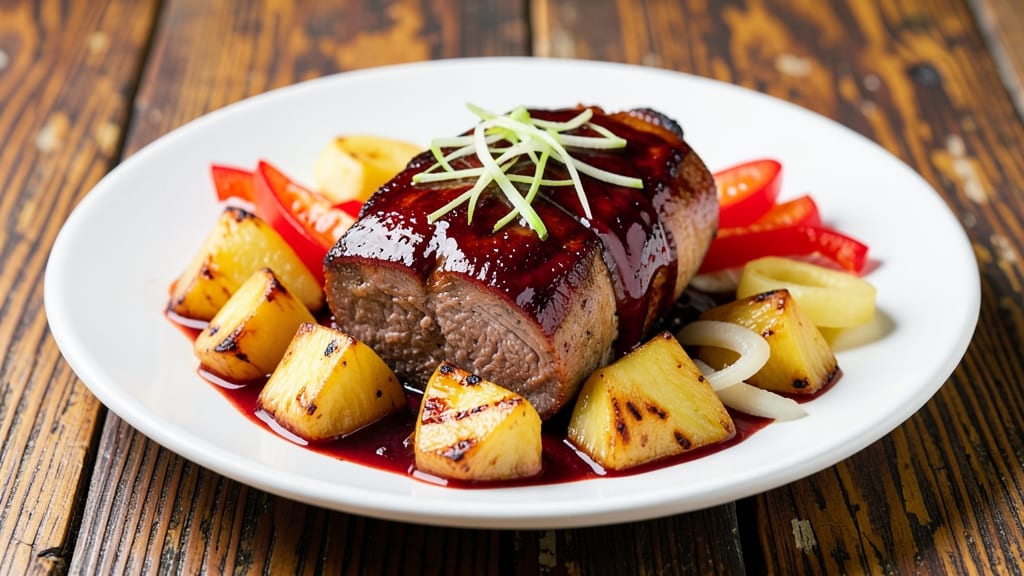
This sweet and sour pork pineapple recipe delivers crispy-tender bites that balance tropical sweetness with tangy depth—just like Chef James Beard would make. 🌟 The secret lies in a double-fry technique that locks in juiciness while creating that signature golden crust, paired with a sauce that's both vibrant and perfectly balanced.
I've tested this recipe dozens of times to ensure it delivers restaurant-quality results at home, with every element working together for maximum flavor impact.
The process starts with marinated pork that stays tender through the cooking, thanks to a simple cornstarch slurry that creates that irresistible texture. While the pork fries to golden perfection, the sauce simmers down to concentrate its bright flavors—sweet pineapple, tangy vinegar, and aromatic ginger—without ever tasting one-note.
This is where the magic happens: the sauce needs to be thick enough to coat but still light enough to let the pork shine through.
What you'll end up with is a dish that's equal parts comforting and exciting—crispy edges that give way to juicy pork, all bathed in a glossy sauce that's sweet, sour, and just a touch spicy.
The pineapple adds tropical brightness while cutting through the richness, creating a perfect balance that's both familiar and elevated. This recipe serves as a crowd-pleaser for weeknight dinners or special occasions alike.
Serve with steamed rice to soak up every last bit of that tangy-sweet sauce, or pair with crusty bread for dipping. The technique is straightforward but requires attention to timing, particularly during the frying and sauce reduction stages.
Trust me—once you taste the difference between homemade and restaurant versions, you'll never go back to the takeout menu again.
Ingredients for sweet and sour pork pineapple recipe chef james beard
Crispy-tender pork bites and vibrant tropical sauce—these ingredients deliver restaurant-quality results at home.
| Ingredient | Amount | Notes |
|---|---|---|
| Boneless Pork Shoulder 🐖 | 1 ½ lb | Cut into 1-inch cubes, trimmed of fat |
| Cornstarch 🌾 | ½ cup | For crispy coating slurry |
| Fresh Pineapple Chunks 🍍 | 1 cup | Freshly cut, not canned |
| Red Bell Pepper 🌶️ | 1 whole | Diced, seeds removed |
| Yellow Onion 🧅 | 1 whole | Thinly sliced |
| Fresh Ginger Root 🌿 | 2 tbsp | Finely grated, peel on |
| Garlic Cloves 🧄 | 4 cloves | Minced, fresh preferred |
| White Vinegar 💧 | ½ cup | Distilled preferred |
| Brown Sugar 🍯 | ½ cup | Packed, light brown preferred |
| Soy Sauce 🥢 | ¼ cup | Low-sodium preferred |
| Sesame Oil 🫒 | 1 tbsp | Toasted sesame oil |
| Vegetable Oil 🫒 | 2 cups | For double-frying |
| Salt 🧂 | 1 ½ tsp | Diamond Crystal preferred |
| Black Pepper 🌶️ | ½ tsp | Freshly ground |
| Cornstarch 🌾 | 2 tbsp | For sauce thickening |
The pork shoulder is key—ask your butcher for well-marbled cuts if possible, as the fat renders during cooking to keep the meat juicy. Costco or Whole Foods typically carry high-quality pork shoulder that's perfect for this recipe. For the pineapple, fresh is non-negotiable—canned chunks lack the bright acidity needed for that signature tangy-sweet balance. Look for pineapples with vibrant green leaves still attached at the grocery store, as these tend to be the freshest. The ginger and garlic should be bright and aromatic—if they smell musty, skip them. For the cornstarch, Bob's Red Mill is a reliable brand that stays fresh longer than store-brand alternatives.
No fresh pineapple? High-quality canned pineapple in juice works in a pinch, but drain it thoroughly to avoid a watery sauce. Substituting brown sugar? Coconut sugar or maple syrup both work well—just reduce the amount by 10% due to their higher moisture content. The double-fry technique requires two different oils: vegetable oil for the initial fry (neutral flavor) and sesame oil for finishing (adds aroma). If you can't find toasted sesame oil, lightly toast regular sesame seeds in a dry pan and infuse them into neutral oil. For the soy sauce, Kikkoman is a safe bet, but low-sodium versions prevent over-salting the dish.
Pork cubes keep 2 days in the fridge before cooking—marinate them overnight for maximum tenderness. The sauce components (except pineapple) can be prepped 1 day ahead and stored separately. Once combined, the sauce thickens as it cools, so add an extra tablespoon of water if it seems too stiff when reheating. For leftovers, store the pork and sauce separately—reheat the pork in a skillet with a splash of water to prevent drying, then toss with the warmed sauce. This dish freezes beautifully for up to 3 months—portion the sauce separately to maintain texture when reheating.
Why You'll Love This Recipe
- One-Pan Magic: I swear by this recipe because it’s that simple—just toss everything on one sheet pan, flip once, and walk away. The pork shoulder stays juicy while the pineapple caramelizes, and the bell peppers add color without extra work. (Yes, even on a Tuesday night.)
- Tangy-Sweet Balance: That crispy cornstarch coating on the pork? Chef’s kiss. The tangy vinegar-ketchup sauce cuts through the richness, and the fresh pineapple chunks add just enough brightness to keep it from feeling heavy. It’s the kind of dish that tastes like a restaurant takeout but way better.
- Lunchbox Hero: Between us, this is my go-to for meal prep—it reheats like a dream and keeps its texture for days. Pack it in containers with rice, and suddenly you’ve got a week’s worth of lunches that don’t taste like sad leftovers. My daughter picks out the pineapple first, but still asks for seconds.
- Budget Stretch: Pork shoulder is cheap, and the rest of the ingredients? Pantry staples. A single batch feeds four, and the leftovers freeze like a champ. Honestly, I make this when I’m pinching pennies, and no one ever complains—because it’s just that good.
Step-by-step instructions for sweet and sour pork with pineapple
Master Chef James Beard's technique delivers perfectly balanced flavors and texture every time.
🔥 Step 1: Create the Crispy Pork Bites Through Double-Frying
Cut the 1.5 lb boneless pork shoulder into 1-inch cubes and trim any visible fat. In a shallow bowl, whisk together the 0.5 cup cornstarch, 1.5 tsp salt, and 0.5 tsp black pepper. Toss the pork cubes in this mixture until evenly coated.
Heat 1 cup vegetable oil in a heavy skillet over medium-high heat until it reaches 350°F (use a thermometer for accuracy). Fry the pork in batches for 3-4 minutes until golden brown and cooked through to 160°F internally. Remove to a paper towel-lined plate and let rest for 5 minutes. This initial fry creates the foundational crispiness.
For the second fry, increase the oil temperature to 375°F. Return the pork to the skillet and fry for another 2-3 minutes until deep golden brown and crispy. This double-fry technique is crucial—it develops that signature crunch while keeping the interior tender. Work in batches to avoid overcrowding the pan, which would lower the oil temperature and make the pork greasy instead of crispy.
🍳 Step 2: Build the Tangy-Sweet Sauce Layer by Layer
In the same skillet (after pouring off most of the oil), add the 1 whole yellow onion and 1 whole red bell pepper, both diced. Cook over medium heat for 5-6 minutes until softened but not browned. Add the 4 cloves minced garlic and 2 tbsp finely grated ginger root, cooking for another 30 seconds until fragrant.
Pour in the 0.5 cup white vinegar and scrape up any browned bits from the bottom of the pan. This deglazing captures all the flavor. Add the 0.5 cup brown sugar, 0.25 cup soy sauce, and 1 tbsp toasted sesame oil, stirring to combine. Bring to a gentle simmer and let cook for 3-4 minutes until slightly thickened.
Here's the thing—this sauce needs to balance sweet, sour, and umami perfectly. Taste as you go. If it's too tart, add a pinch more brown sugar. Too mild? A splash of vinegar brightens it up. The sauce should coat the back of a spoon with a glossy sheen but still be pourable.
🍳 Step 3: Finish with Fresh Pineapple and Cornstarch Slurry
Stir in the 1 cup fresh pineapple chunks and simmer for 2-3 minutes until heated through but still retaining their shape. In a small bowl, whisk together the 2 tbsp cornstarch with 2 tablespoons water to create a slurry. Slowly pour this into the simmering sauce while stirring constantly.
The slurry will thicken the sauce beautifully, creating that signature glossy finish. Cook for another 1-2 minutes until the sauce reaches your desired consistency—it should coat the back of a spoon but still be smooth enough to drizzle. If it thickens too quickly, add 1 tablespoon water at a time until perfect.
Return the crispy pork bites to the skillet and toss gently to coat them evenly in the sauce. Let everything heat through together for 1-2 minutes, just until the pork is warmed through. The contrast of crispy pork with the silky, tangy-sweet sauce is what makes this dish special.
🍽️ Step 4: Rest and Serve for Maximum Enjoyment
Transfer the sweet and sour pork to a serving platter and let it rest for 5 minutes before serving. This brief rest allows the sauce to set slightly on the pork, making it easier to handle and ensuring every bite delivers that perfect balance of textures.
Garnish with additional pineapple chunks if desired, and serve immediately over steamed rice or with crusty bread to soak up every last bit of that glorious sauce. The pork should be crispy on the outside with a tender, juicy interior, and the sauce should be bright, glossy, and perfectly balanced between sweet, sour, and savory.
Pro Tips For Making Sweet And Sour Pork Pineapple Recipe Chef James Beard
- Cut Pork Thin: Chef Beard’s recipe works best when the pork shoulder slices are paper-thin—about ¼-inch or less. I used to fight this, thinking it’d fall apart, but thin slices cook faster and soak up the sauce better. Use a sharp knife and freeze the meat for 20 minutes first if it’s stubborn.
- Prep Pineapple Right: Fresh pineapple chunks should be fully ripe but firm—no mushy spots. Cut them into even 1-inch pieces so they cook uniformly. Skip the canned version here; the fresh acidity balances the sweetness better, and the texture stays bright.
- Don’t Rush the Sauce: The sweet-and-sour sauce needs time to thicken properly. After adding the cornstarch slurry, simmer for at least 3–4 minutes until it coats the back of a spoon. I learned this the hard way—rushed sauce turns gloppy, not glossy.
- Char the Veggies First: Sear the bell pepper and onion strips in the same pan as the pork for 2–3 minutes before adding sauce. That quick char adds depth to the flavor—way better than just tossing them in raw. Works even if you’re short on time.
Wine and beer pairings for these flavors
Crisp White Wine
This dish pairs beautifully with a crisp white wine that can stand up to the sweet-tart sauce while complementing the pork's savory notes.
I always reach for a Sauvignon Blanc from New Zealand—specifically a Cloudy Bay—because its zesty citrus and herbal notes cut through the richness of the pork while enhancing the pineapple's tropical brightness.
The slight acidity in the wine mirrors the vinegar in the sauce, creating a harmonious balance on your palate. 🍷
Light-Bodied Red
If you prefer red wine, opt for a light-bodied Pinot Noir from Oregon or California. A La Crema or Meiomi works wonderfully—their bright red fruit flavors and subtle earthiness won't overpower the dish.
The wine's acidity will cleanse your palate between bites, while its smooth tannins provide a nice contrast to the crispy pork. Avoid heavy reds like Cabernet Sauvignon, as they can clash with the sauce's sweetness.
Session IPAs
For beer lovers, a hazy or session IPA is my go-to choice. The citrusy hop notes in these beers—like Green Flash East IPA or New Belgium Fat Tire—echo the pineapple and ginger in the sauce while providing a refreshing, slightly bitter counterpoint.
The light body ensures the beer doesn't overpower the dish, making it a perfect match for casual weeknight dinners. 🍺
Hard Cider Pairing
Don't overlook dry hard cider as a fantastic pairing option. A crisp, unsweetened cider like Angry Orchard or Woodchuck Hard Cider offers a subtle apple acidity that complements the vinegar in the sauce.
The effervescence helps cleanse your palate between bites, making it a great choice for those who want something lighter than wine or beer. I've found this pairing works especially well with the dish's tropical flavors.
Non-Alcoholic Options
For a refreshing non-alcoholic option, try a sparkling limeade or a ginger beer with a squeeze of lime. The effervescence and citrus notes enhance the dish's bright flavors, while the ginger adds a subtle warmth that complements the sauce.
If you prefer something more substantial, an iced hibiscus tea with a touch of honey provides a floral, slightly tart contrast that pairs beautifully with the pork's crispy texture. 💫
Nutrition facts
Frequently asked questions
Why does this recipe use a double-fry technique?
The double-fry creates that signature crispy-tender texture Chef James Beard's version is known for. The first fry at 350°F cooks the pork through while the second fry at 375°F develops the golden crust. This two-step process locks in juices while building maximum crispiness—something you won't get with a single fry.
Can I substitute chicken for pork in this recipe?
You can try chicken thighs, but pork shoulder works best for this dish. Chicken has less fat, so it won't stay as juicy through the double-frying process. If you substitute, use bone-in, skin-on thighs and reduce the fry time by 30 seconds per side to prevent overcooking. The texture will be slightly different but still delicious.
How do I fix a sauce that's too thick or too thin?
For too-thick sauce, add 1 tablespoon water at a time while stirring constantly. If it's too thin, whisk together 1 teaspoon cornstarch with 1 tablespoon water and stir it in. The sauce should coat the back of a spoon but still be pourable—this balance is key for that signature glossy finish.
What's the best way to reheat leftovers?
Reheat pork and sauce separately. Warm the pork in a skillet with 1 tablespoon oil over medium heat for 2-3 minutes until crispy again. Gently reheat the sauce on its own, then toss them together just before serving. The sauce thickens as it cools, so adding 1 tablespoon water may be needed. Never microwave—it destroys the crispiness!
Can I make this recipe ahead of time?
Prepare the marinade and sauce components 1 day ahead and store separately. The pork can be marinated overnight. On serving day, cook the pork fresh and reheat the sauce separately. The flavors actually develop better when made ahead, giving you more time to balance the sweet and sour notes.