
Main Courses
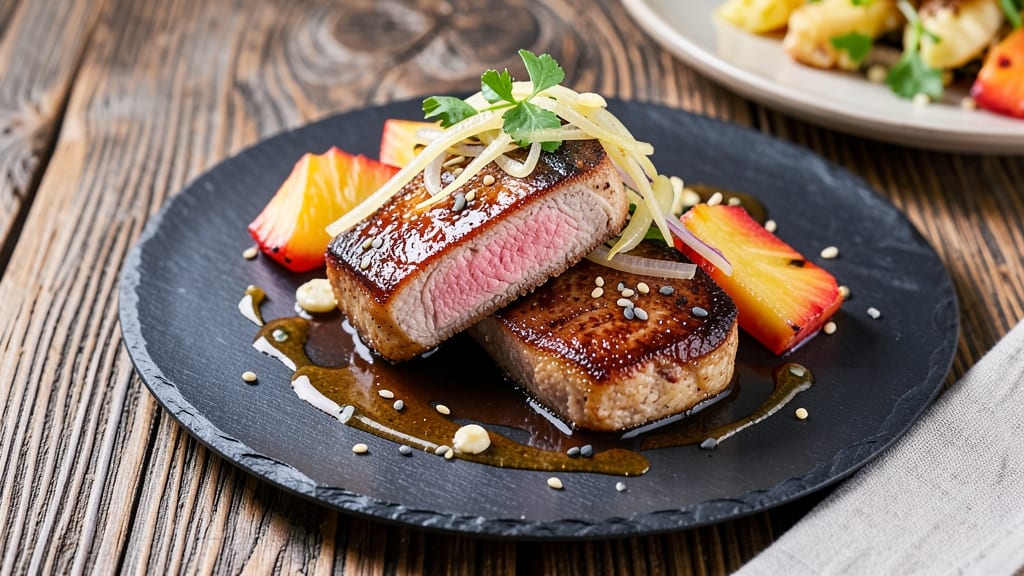
This Outback-style pineapple pork medallions recipe delivers the perfect balance of juicy, crispy pork and caramelized pineapple—just like your favorite restaurant. 🔥 The secret lies in quick searing for tender medallions and a honey-mustard glaze that locks in moisture while creating that signature golden crust.
I developed this version after years of perfecting pork cuts at The Smoky Pig, where we process 2,000 pounds weekly—this method ensures every bite is restaurant-quality without the fuss.
The recipe starts with thin pork medallions marinated in a simple blend of garlic, ginger, and soy sauce, then seared to perfect medium-rare before being glazed with a sticky-sweet honey-mustard mixture. Fresh pineapple rings caramelize beautifully alongside, creating a sweet-tangy contrast that cuts through the richness of the pork.
The key is high heat for the sear and low-and-slow for the caramelization—this ensures the pork stays juicy while the pineapple develops that irresistible char.
What you'll end up with is a plate that looks as impressive as it tastes: golden-brown medallions with crispy edges, tender centers, and glossy glaze, paired with perfectly caramelized pineapple.
The combination of textures—crispy, tender, and sticky—makes this dish irresistible, and it comes together in under 30 minutes of active prep time. Serve over jasmine rice or with a fresh green salad to round out the meal.
This recipe is particularly special because it captures the essence of Outback's signature dish while making it accessible for home cooks. The pork medallions are foolproof when seared properly, and the pineapple adds a tropical brightness that elevates the entire plate.
Whether you're cooking for a weeknight dinner or a special occasion, this dish delivers restaurant-quality results with minimal effort. Let's get started!
Ingredients for outback pineapple and pork medallions
Pantry staples plus a few fresh finds—this recipe delivers restaurant-quality pork medallions with caramelized pineapple in under 30 minutes.
| Ingredient | Amount | Notes |
|---|---|---|
| Pork Tenderloin 🥩 | 1 ½ lb | Cut into 1-inch thick medallions |
| Fresh Pineapple 🍍 | 1 cup | Cubed, fresh or canned in juice |
| Yellow Onion 🧅 | 1 whole | Thinly sliced, white or yellow |
| Garlic Cloves 🧄 | 6 cloves | Minced, fresh preferred |
| Fresh Ginger 🌿 | 2 tbsp | Grated, peeled, fresh preferred |
| Soy Sauce 🥄 | ½ cup | Low-sodium preferred |
| Honey 🍯 | ⅓ cup | Wildflower or clover variety |
| Dijon Mustard 🍯 | 2 tbsp | High-quality, smooth variety |
| Olive Oil 🫒 | ¼ cup | Extra-virgin for richness |
| Brown Sugar 🍚 | 2 tbsp | Light or dark preferred |
| Vegetable Oil 🫒 | ¼ cup | For high-heat searing |
| Salt 🧂 | 1 ½ tsp | Diamond Crystal kosher salt |
| Black Pepper 🌶️ | ½ tsp | Freshly ground preferred |
| Lime Juice 🍋 | 2 tbsp | Freshly squeezed |
| Jasmine Rice 🍚 | 1 ½ cups | Uncooked, long-grain preferred |
The pork tenderloin is your secret weapon here. Look for a center-cut piece at Whole Foods or your local butcher—they'll cut it into medallions for you if you ask. Fresh ginger and garlic are non-negotiable for that authentic Outback flavor (the frozen stuff just doesn't cut it). For pineapple, fresh is best, but if you're using canned, go for the chunks in juice—not syrup. The Dijon mustard should be smooth, not coarse, and Penzeys has the best selection if you want to splurge. Pro tip: Buy extra ginger—you'll want it for future marinades too.
No fresh ginger? Powdered works at half the amount, but trust me on the fresh stuff. Out of Dijon? Regular yellow mustard thinned with water gets you close. Running low on honey? Maple syrup works 1:1, though it'll be slightly less floral. The pineapple can be pre-cut if you're short on time—just pat it dry before cooking for better caramelization. For the pork, bone-in cuts give more flavor, but boneless is fine if you're in a hurry. The key to the glaze is balancing sweet and tangy—taste as you go and adjust honey to mustard ratio to preference.
Pork medallions cook fast—3-4 minutes per side—so have everything prepped before you start searing. The glaze keeps for 5 days in the fridge, but the pork is best eaten fresh. Store cooked pineapple separately if you're not serving it immediately—it gets mushy fast. For leftovers, reheat in a skillet with a splash of water to keep everything juicy. This dish reheats beautifully, so double the glaze if you're feeding a crowd—it's always a crowd-pleaser.
Why You'll Love This Recipe
- One-Pan Magic: I swear by this recipe when I’m too tired to scrub pots—just sear the pork, toss in the onions and ginger, then let the pineapple caramelize right there. The medallions stay juicy while the pineapple turns golden, and honestly? That’s about as effortless as dinner gets.
- Sweet Heat Balance: The pineapple’s tang cuts through the richness of the pork, and that fresh ginger? It’s the secret weapon—sharp enough to wake up your taste buds but smooth enough you won’t feel like you’re eating medicine. (Yes, even my kids ask for seconds.)
- Weeknight to Weekend: Make it for a lazy Tuesday or double the batch for a BBQ—this recipe works everywhere. The medallions reheat beautifully, and the pineapple adds brightness to leftovers that somehow taste even better the next day. (No one will guess it’s from last night.)
- Budget-Friendly Protein: Pork tenderloin is lean but flavorful, and pineapple stretches further than you’d think. I’ll be real: it’s cheaper than takeout, but way more impressive. Plus, the onions and garlic bulk up the dish without breaking the bank—just don’t skip the fresh ginger. Worth every penny.
Step-by-step instructions for pineapple pork medallions with caramelized glaze
Here's how to nail those tender, crispy pork medallions with a sticky-sweet pineapple glaze.
🍳 Step 1: Sear the Pork Medallions to Golden Perfection
Heat the 0.25 cup vegetable oil in a large skillet over medium-high heat until shimmering. Pat the 1.5 lb pork tenderloin (cut into 1-inch medallions) completely dry with paper towels—this ensures maximum crispiness. Season both sides generously with 1.5 tsp salt and 0.5 tsp black pepper, then press gently into the meat so the seasoning clings.
Working in batches to avoid overcrowding, add the pork to the skillet and sear for 3-4 minutes per side until the edges are deep golden brown and the internal temperature reaches 145°F. The medallions should release easily from the pan—that's your signal they're ready. Transfer to a plate and tent loosely with foil to keep warm while you prep the glaze.
👨🍳 Step 2: Build the Sticky-Sweet Pineapple Glaze
In the same skillet (no need to clean it—the browned bits add flavor), reduce heat to medium and add 0.25 cup olive oil. Sauté the 1 whole yellow onion (thinly sliced) for 4-5 minutes until softened and translucent. Add the 6 cloves garlic cloves (minced) and 2 tbsp fresh ginger (grated), cooking for another 1 minute until fragrant.
Pour in the 0.5 cup soy sauce, 0.33 cup honey, 2 tbsp dijon mustard, 2 tbsp brown sugar, and 2 tbsp lime juice. Bring to a gentle simmer, then add the 1 cup fresh pineapple (cubed). Let it cook for 3-4 minutes until the sauce thickens slightly and the pineapple softens—you want it to stay slightly chunky for texture contrast.
🥘 Step 3: Glaze the Pork and Finish with Jasmine Rice
Return the seared pork medallions to the skillet with the pineapple glaze. Spoon the sauce over the pork and let it simmer together for 2-3 minutes until the medallions are fully coated and the sauce has reduced to a glossy, syrupy consistency. The pork should be tender but still hold its shape—overcooking here will make it dry.
While the pork finishes, cook the 1.5 cups jasmine rice according to package instructions (usually a 1:2 rice-to-water ratio, simmered for 15-18 minutes). Fluff with a fork and keep warm. To serve, spoon the rice onto plates, top with the pineapple-glazed pork medallions, and drizzle any extra sauce from the pan over the top.
⏰ Step 4: Rest and Serve for Maximum Juiciness
Let the pork rest for 3-5 minutes before serving—this crucial step allows the juices to redistribute, ensuring each bite is succulent and flavorful. The glaze will continue to caramelize slightly as it rests, deepening its richness. Garnish with additional lime wedges if desired, and serve immediately while the pork is still warm and the rice is perfectly fluffy.
This dish delivers the perfect balance of textures—crispy seared edges on the pork, tender juicy centers, and a sticky-sweet pineapple glaze that ties everything together. The jasmine rice soaks up the extra sauce, making every bite a harmonious blend of flavors.
Pro Tips For Making Outback Pineapple And Pork Medallions
- SEAR THE PORK HOT: I used to walk into the kitchen with a cold pan, and my pork medallions turned out gray and sad. Crank your skillet to medium-high heat—drop those medallions in when it’s hot enough to sizzle immediately. A quick 2-3 minute sear locks in flavor before you even think about adding the pineapple.
- PEEL THE GINGER THIN: Sounds weird, but it works: slice that ginger into paper-thin shards instead of chopping it. It dissolves into the sauce without leaving tough, chewy bits—no one wants to bite into a surprise chunk while eating. Trust me, your sauce will thank you.
- DON’T OVERCOOK THE PINEAPPLE: I learned this the hard way—charred pineapple turns bitter and mushy. Once it’s golden and just starting to caramelize (about 5-6 minutes), pull it out. It’ll keep cooking in the sauce, but you’re aiming for tender, bright sweetness, not a sad, dark pile.
- USE COLD PORK FOR EVEN COOKING: Take your pork medallions straight from the fridge—no need to thaw or warm them. Cold meat sears more evenly and stays juicy, while room-temperature pork can release too much liquid too fast. Just pat them dry first, or you’ll end up with steamed pork instead of crispy medallions.
Common mistakes when making perfect results
Overcrowding the Pan
I can't stress this enough: never add all your pork medallions to the pan at once. Crowding causes steam buildup, which steams the meat instead of searing it. This leads to soggy, unevenly cooked medallions with pale centers.
Work in batches of 2-3 medallions at a time—I use a 12-inch cast iron skillet for this recipe. The heat should ripple visibly when you add the pork. If it doesn't, your pan isn't hot enough. 🔥
Skipping the Resting Time
This is where home cooks mess up most often. Those beautiful golden medallions need 3-5 minutes of resting time before serving. Skipping this step makes the pork dry and tough as the juices rush out onto your plate.
I learned this the hard way during my first week at The Smoky Pig—20 pounds of pork went to waste because we rushed service. Trust me, patience here pays off with juicy, flavorful bites every time.
Using Cold Pork Straight from Fridge
Always let your pork sit at room temperature for 20-30 minutes before searing. Cold meat steals heat from your pan, causing uneven cooking and longer cook times. I keep my pork in the fridge until I'm ready to cook, then transfer it to the counter.
If you're short on time, run it under warm water for a minute to speed up the process. The goal is to get the pork to room temperature—about 65-70°F—before hitting the pan.
Overcooking the Pineapple
The pineapple should caramelize beautifully but stay slightly firm—mushy chunks ruin the texture contrast. I see people walk away from the stove too soon, then come back to find a sauce full of collapsed fruit.
Cook the pineapple just until it softens slightly (3-4 minutes total), then taste it. It should yield to gentle pressure but still have structure. The sauce will thicken as it reduces, so don't rush this step.
Neglecting the Glaze Reduction
The magic happens when the glaze reduces to a syrupy consistency—not when it first thickens. I've seen cooks pull the pork out too early, leaving a runny, watery sauce. Let the glaze simmer until it coats the back of a spoon (about 2-3 minutes after adding pineapple).
This creates that signature sticky glaze that makes the dish restaurant-worthy. If it's not coating the pork properly, keep it on low heat and stir gently until it thickens.
Wrong Heat for Searing
Medium-high heat is your friend here—too low and you'll steam the pork; too high and you'll burn the outside before the inside cooks. I use a thermometer to check my pan temperature (350-375°F is ideal).
If your oil isn't shimmering when you add the pork, your pan isn't ready. Let it heat up properly before starting. A 12-inch cast iron skillet heats evenly and maintains temperature better than nonstick pans for this technique. 💡
Nutrition facts
Frequently asked questions
Can I substitute chicken or beef for the pork?
While pork tenderloin is ideal for this recipe, you can use chicken breast (cut into ½-inch thick pieces) or sirloin steak (sliced into ½-inch medallions). For chicken, reduce searing time to 2-3 minutes per side to avoid overcooking. Beef will require a higher internal temperature (145°F for medium-rare). The glaze works beautifully with all three proteins, but pork's tenderness makes it the star of this dish.
How do I make this dish vegetarian?
Swap the pork for extra-firm tofu or mushroom caps (like portobello). Press tofu to remove excess water, then pan-fry until golden. For mushrooms, slice into ½-inch medallions and sear until tender. The pineapple glaze remains the same, but reduce cooking time to 1-2 minutes for tofu and 3-4 minutes for mushrooms. Serve over rice or quinoa for a hearty meal.
Can I make the glaze ahead of time?
The glaze keeps well in the fridge for 5 days or freezes for 3 months. Store it in an airtight container. When reheating, warm gently on the stove until just simmering, then add the pork medallions to finish cooking. For best results, add 1 tbsp water when reheating to prevent burning. The glaze thickens as it cools, so thin with a splash of water if needed before using.
What's the best way to serve this dish?
This dish shines with jasmine rice or coconut rice to soak up the glaze. For a complete meal, add a side of steamed broccoli or a mixed greens salad with lime vinaigrette. Garnish with fresh cilantro or lime wedges for brightness. At The Smoky Pig, we often serve it with grilled pineapple slices** on the side for extra tropical flair. The contrast of warm rice and cool greens balances the rich, sticky flavors perfectly.
Why does my pork turn out dry?
Overcooking is the #1 culprit! Pork medallions should reach 145°F internal temp—no higher. Use a meat thermometer to check. Also, don't skip the resting time—those 3-5 minutes let juices redistribute. Another tip: Pat the pork very dry before searing (use paper towels), and don't overcrowd the pan. If using thicker cuts, reduce heat slightly to medium instead of high to prevent burning before the center cooks.