
Main Courses
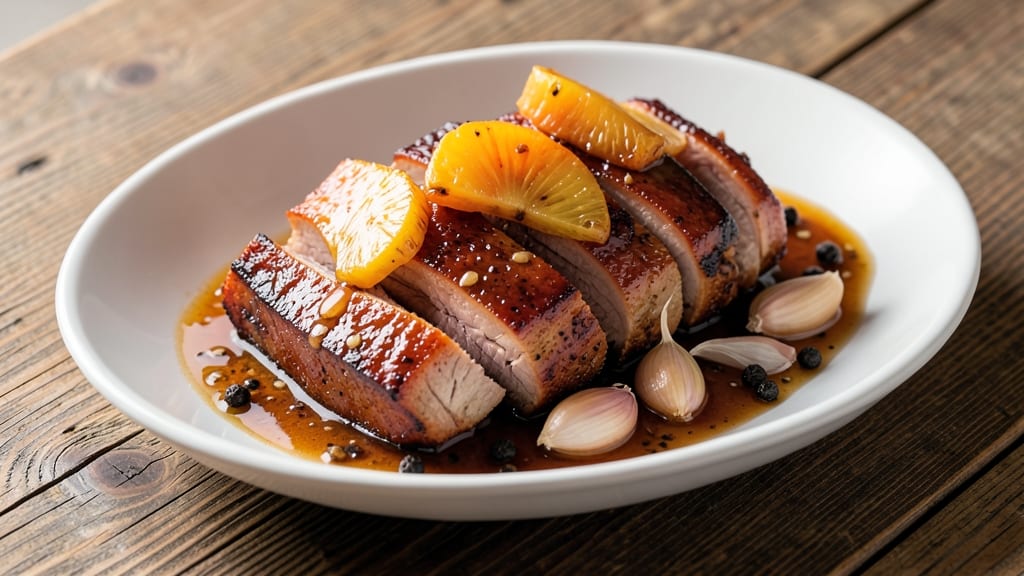
This perfect panlasang Pinoy pork hamonado with pineapple recipe delivers the iconic Filipino sweet-tart glaze that transforms tender pork into restaurant-quality bites. 🌟 The secret lies in balancing soy sauce, vinegar, and pineapple juice to create a caramelized sauce that clings to every piece of meat, while garlic and black pepper add depth.
I've perfected this technique through countless batches—each one more addictive than the last. The process begins with marinating pork shoulder in a mixture of soy sauce, vinegar, and spices, then simmering it until fork-tender.
The pineapple isn't just a garnish—it's the star that caramelizes into the sauce, creating that signature sweet-tart balance. This dish is a celebration of Filipino flavors, where simplicity meets bold taste in every bite.
By the end, you'll have perfectly caramelized pork with glossy, sticky edges and tender meat that falls apart easily. The aroma alone will have everyone gathering around the table, and the first bite delivers that perfect harmony of sweet, tangy, and savory.
It's the kind of dish that feels special without being complicated. Serve it over steamed rice with a side of atchara for the full Filipino experience. The sauce thickens beautifully, making leftovers just as delicious the next day. Let's bring this classic home-cooked flavor to your table.
Ingredients for pork hamonado with pineapple recipe panlasang pinoy
Six ingredients transform simple pork into restaurant-worthy hamonado with caramelized pineapple glaze.
| Ingredient | Amount | Notes |
|---|---|---|
| Pork Shoulder 🥩 | 3 lb | Bone-in for flavor, cut into 2-inch cubes |
| Soy Sauce 🥄 | ½ cup | High-quality, preferably Filipino brand |
| White Vinegar 🍶 | ¼ cup | White or cane vinegar preferred |
| Pineapple Juice 🍍 | ½ cup | Freshly squeezed, no pulp |
| Garlic Cloves 🧄 | 8 cloves | Minced finely for deep flavor |
| Black Peppercorns 🌶️ | 1 tsp | Freshly cracked for aroma |
| Fresh Pineapple 🍍 | 1 whole | Cored and chopped, skin on |
| Olive Oil 🫒 | 2 tbsp | For searing pork |
| Brown Sugar 🍚 | ¼ cup | Light or dark, packed |
| Salt 🧂 | 1 ½ tsp | Diamond Crystal preferred |
| Green Onions 🧅 | 4 whole | Sliced for garnish |
| Bay Leaves 🌿 | 2 whole | For simmering depth |
The pork shoulder is non-negotiable—bone-in gives richer flavor, and Filipino markets or Asian grocery stores often carry the best cuts. For soy sauce, Silver Swan or Toyo brands deliver that authentic umami punch. Fresh pineapple is worth the splurge: golden pineapples from Latin markets have more sweetness than the red ones. If you can't find fresh, frozen chunks work in a pinch (thaw and drain well). The garlic and black pepper should be freshly ground or minced—pre-minced loses potency fast.
No Filipino soy sauce? Japanese or Korean soy sauce works, but reduce by half since they're saltier. Substitute pineapple juice with apple juice plus 1 tbsp lemon juice for tang. Brown sugar too expensive? White sugar plus 1 tsp molasses mimics the depth. For extra caramelization, add 1 tbsp cornstarch to the sauce at the end. The bay leaves add subtle earthiness—skip if you hate their flavor, but they're traditional for a reason. Green onions are optional but add that final pop of freshness.
Pork keeps 3 days in the fridge before cooking—marinate overnight for best results. The sauce thickens as it cools, so reheat with 1 tbsp water if it gets too stiff. Freezes beautifully for 3 months—portion into containers with rice for easy meals. For leftovers, reheat gently on low to preserve that caramelized texture. The pineapple pieces can be saved for smoothies or salads if you're feeling fancy.
Why You'll Love This Recipe
- One-Pan Magic: I swear by this dish—just toss the pork shoulder, garlic, and sauce in one pan, then let the vinegar and pineapple juice work their magic while you handle the rest.
- Sweet-Savory Balance: That tangy vinegar cut with pineapple juice? It’s the secret weapon—bright, bold, and just sweet enough to make your taste buds dance without overpowering the smoky soy.
- Leftover Goldmine: Cook once, enjoy twice (or three times). The flavors deepen overnight, so it’s perfect for busy mornings—just reheat and serve with rice or even in a sandwich.
- Budget-Friendly Feast: Pork shoulder stretches far, and the pantry staples (soy, vinegar, pineapple) won’t break the bank. Honestly, I make this when I need to feed a crowd without stressing.
Step-by-step instructions for pork hamonado with pineapple
Here's how to achieve that signature caramelized glaze and tender pork every time.
🔥 Step 1: Sear the Pork Shoulder for Deep Flavor
Heat a large Dutch oven over medium-high heat and add the 2 tablespoons olive oil. Once shimmering, add the 3 lb pork shoulder cut into 2-inch cubes in a single layer. Let them sear undisturbed for 4-5 minutes until golden brown on one side - this creates that beautiful crust that locks in juices. Flip and repeat on the second side.
Here's the thing - don't crowd the pan. If you need to work in batches, that's fine, but don't rush the searing. The golden crust is what gives this dish its restaurant-quality texture. While searing, sprinkle the 1.5 teaspoons salt and 1 teaspoon black peppercorns over the pork, pressing gently so they stick to the meat.
🍳 Step 2: Build the Sweet-Tart Glaze
Remove the pork from the pot and set aside. In the same Dutch oven, reduce heat to medium and add the 8 cloves minced garlic cloves. Cook for 30 seconds until fragrant - you'll smell that aromatic punch that forms the flavor base. Add the 2 whole bay leaves and stir for 10 seconds to infuse their earthy notes.
Now pour in the 0.5 cup soy sauce, 0.25 cup white vinegar, and 0.5 cup pineapple juice. Bring to a gentle simmer and let it reduce by half - about 5-7 minutes. This reduction concentrates the flavors and forms the foundation of our glaze. Meanwhile, peel and chop the 1 whole fresh pineapple (skin on) into chunks - we'll add these later.
🥘 Step 3: Simmer the Pork in Flavorful Liquid
Return the seared pork to the pot along with the 0.25 cup brown sugar. Stir to combine, then add enough water to just cover the pork (about 2 cups). Bring to a gentle boil, then reduce heat to low and cover partially. Simmer for 1 hour 30 minutes until the pork is fork-tender and the liquid has reduced significantly.
Here's where the magic happens: every 30 minutes, stir the pork and spoon some of the cooking liquid over the top. This ensures even cooking and helps build that glossy caramelized glaze. The pork should be falling apart easily when pierced with a fork - that's your signal it's ready for the final step.
⏰ Step 4: Caramelize and Finish with Pineapple
Remove the lid and increase heat to medium-high. Let the liquid reduce rapidly for 5-7 minutes until it's syrupy and coats the back of a spoon. Add the chopped pineapple (skin on) and cook for another 3-4 minutes until the pineapple softens slightly but still maintains some bite. The skins will add beautiful texture and visual contrast.
Taste and adjust seasoning - you might need a bit more salt or sugar to balance the sweet-tart flavors. The glaze should be thick enough to coat the pork and cling to the pineapple pieces. If it's too thin, let it reduce another minute or two. The skins on the pineapple will give it that authentic Panlasang Pinoy look while adding a nice chewy texture.
🍽️ Step 5: Garnish and Serve
Transfer the pork and pineapple to a serving platter. Drizzle generously with the caramelized glaze from the pot. Slice the 4 whole green onions and sprinkle them over the top for freshness and color contrast. Serve immediately with steamed rice to soak up that delicious sauce.
This dish tastes even better the next day as the flavors meld further, so make extra if you can. The caramelized glaze should be sticky and glossy, clinging beautifully to both the pork and pineapple. Each bite should deliver perfect balance - tender pork, sweet-tart glaze, and fresh pineapple with that satisfying chew.
Pro Tips For Making Pork Hamonado With Pineapple Recipe Panlasang Pinoy
- Sear the Pork First: DESCRIPTION:
- Use Fresh Pineapple Juice: DESCRIPTION:
- Simmer Low and Slow: DESCRIPTION:
- Deglaze with Vinegar First: DESCRIPTION:
Common mistakes when making great pork hamonado with pineapple recipe panlasang pinoy
Overcrowding the Pot
Don't add all the pork cubes at once—this steams instead of sears, creating pale, soggy meat. Work in batches if needed, but let each piece develop that golden crust. I've ruined batches by rushing this step, and the texture suffers terribly. The goal is caramelization, not steaming. 🔥
Skipping the Sear
Some recipes suggest marinating first, but searing is non-negotiable for depth. That initial crust locks in juices and builds flavor layers. If you're short on time, at least sear half the pork first, then add the rest after building the glaze. The difference in texture and taste is night-and-day.
Under-Reducing the Glaze
The sauce needs to reduce by at least half to develop that signature caramelized thickness. Rushing this step means a watery, flavorless glaze. Let it simmer uncovered for those final minutes—patience here is crucial. I've learned this the hard way when I've walked away for "just a minute."
Adding Pineapple Too Early
Pineapple releases water when cooked, which dilutes your hard-won glaze. Add it only in the final 3-4 minutes of cooking. The skins should soften slightly but still hold their shape. Trust me, this makes all the difference in texture and presentation.
Ignoring the 30-Minute Stir
Stirring every 30 minutes prevents the pork from sticking and ensures even cooking. Without this, you risk uneven doneness and a less glossy finish. I've seen batches where the bottom pieces were dry while the top stayed moist—don't let that happen to you.
Not Tasting as You Go
Flavor balance is everything in this dish. Taste the glaze before serving—you might need to adjust salt, sugar, or vinegar. I've had batches that were either too sweet or too sour because I didn't check.
A quick taste now saves you from a bland final dish. The sauce should sing with sweet-tart harmony. 💫
Nutrition facts
Frequently asked questions
Can I use boneless pork shoulder instead of bone-in?
Yes, but expect slightly less flavor depth. Bone-in pork adds richness as it breaks down during cooking. If using boneless, reduce simmering time by 15-20 minutes since it cooks faster. For extra flavor, add 1 extra bay leaf or ½ tsp smoked paprika to compensate. The texture will still be tender, just slightly less robust.
What if I don't have fresh pineapple?
Use frozen pineapple chunks (thawed and drained well) or canned pineapple juice—just reduce by 1 tbsp to account for extra water. For the glaze, add ½ tsp lemon juice to mimic fresh pineapple's brightness. The texture won't be identical, but the sweet-tart balance will still shine. For garnish, use fresh pineapple rings if available.
How do I make this dish spicier?
Add 1 tbsp chopped siling labuyo (Filipino chili) or ½ tsp cayenne pepper when building the glaze. For heat control, toast the chili first to mellow the flavor. Stir in during the final 5 minutes of cooking to preserve its kick. Serve with extra sliced green onions for freshness to balance the heat.
Can I make this in a slow cooker?
Sear the pork first, then transfer everything (except pineapple) to the slow cooker. Cook on low for 6-7 hours or high for 3-4 hours. In the last 30 minutes, add the pineapple and reduce the sauce on the stovetop to thicken. The slow cooker method is perfect for hands-off prep, though the glaze may be slightly less caramelized.
Why is my sauce too thin?
This usually happens from overcrowding or not reducing enough. First, ensure you're not adding all pork at once—sear in batches. For the sauce, simmer uncovered on medium-high heat for 10-15 minutes longer, stirring occasionally. If it's still thin, mix 1 tbsp cornstarch with 2 tbsp water, stir into the sauce, and cook for 2-3 minutes until thickened.